Blue Planet III Contains Zero AI-Generated Frames
Producers retain murky water and imperfect shots to verify authenticity as the series launches on BBC1.
By Hugo Khalil ·
No artificial intelligence generated a single frame of the new BBC nature series, Blue Planet III. Jack Bootle, the BBC's head of specialist factual commissioning, made this specific assurance to journalists at a press screening on October 24. He stated that the series relies entirely on real photography to counter rising doubts about visual media.
Executive producer Elizabeth White explained that the production team intentionally kept cloudier footage in the final cut. In previous series, shots containing plankton, boats, or poor water conditions were often removed. The current team retains these elements to create a more organic look that distinguishes the real ocean from digital creations.
White noted that AI technology pushes creators to prove their work is genuine. She described the deep ocean animals as more remarkable than artificial intelligence could imagine. The series aims to reassure viewers that the unusual creatures and sequences shown are authentic records of nature.
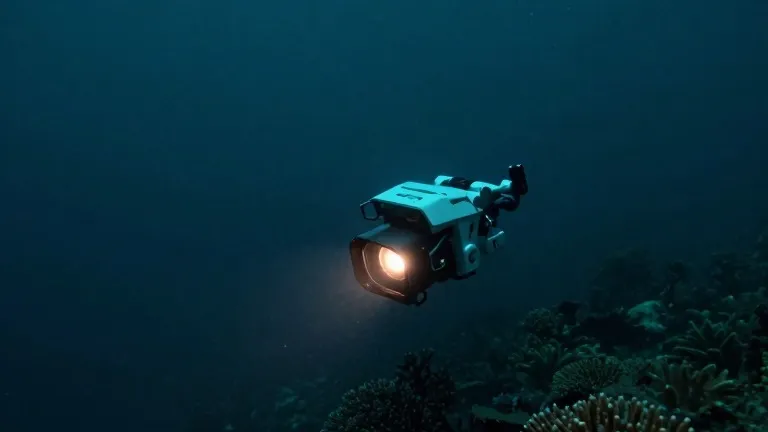
The series utilizes new technology to capture behavior not seen before. Yoland Bosiger, the producer and director, developed an underwater CCTV camera nicknamed the stonefish. This device recorded dolphins using sea sponges to block coral holes and trap fish. Other footage shows 200,000 crabs lining up to feed and sea urchins using shells for shade.
Filming spanned four years across five oceans. The crew built a mini-dome camera to follow an octopus and used leg-mounted scooters for immersive diving shots. Lasers assisted in filming deep-sea animals. Narrator David Attenborough, who is 100 years old, reviewed scripts and made changes to the material.
The series also addresses environmental threats. One episode details how warmer seas are killing sea anemones, forcing clownfish to repair their habitats. The show continues the focus on plastic pollution and introduces stories about forever chemicals. The production saved money by employing more local crews on location than in previous iterations.
Blue Planet III premieres on Sunday, November 1, on BBC1 and iPlayer. It arrives nearly ten years after Blue Planet II and 25 years after the original series.
Source: The Guardian
More Culture · World news · Report a business · Got a Story?