Mother Bethel's First Woman Pastor Looks Back on a Year Leading Historic Philadelphia Church
The Rev. Carolyn Cavaness, appointed in November as the first woman to lead Mother Bethel A.M.E. Church in its 238-year history, describes a transformative first year and her plans for the next.
By Aever Bundji ·
The Rev. Carolyn Cavaness says she is still getting used to the attention that comes with leading Mother Bethel A.M.E. Church. Pastors of the Philadelphia landmark are sometimes stopped on the street and asked for photos, and she is no exception. As she nears the end of her first year in the pulpit, she says she occasionally pauses to marvel at where she is.
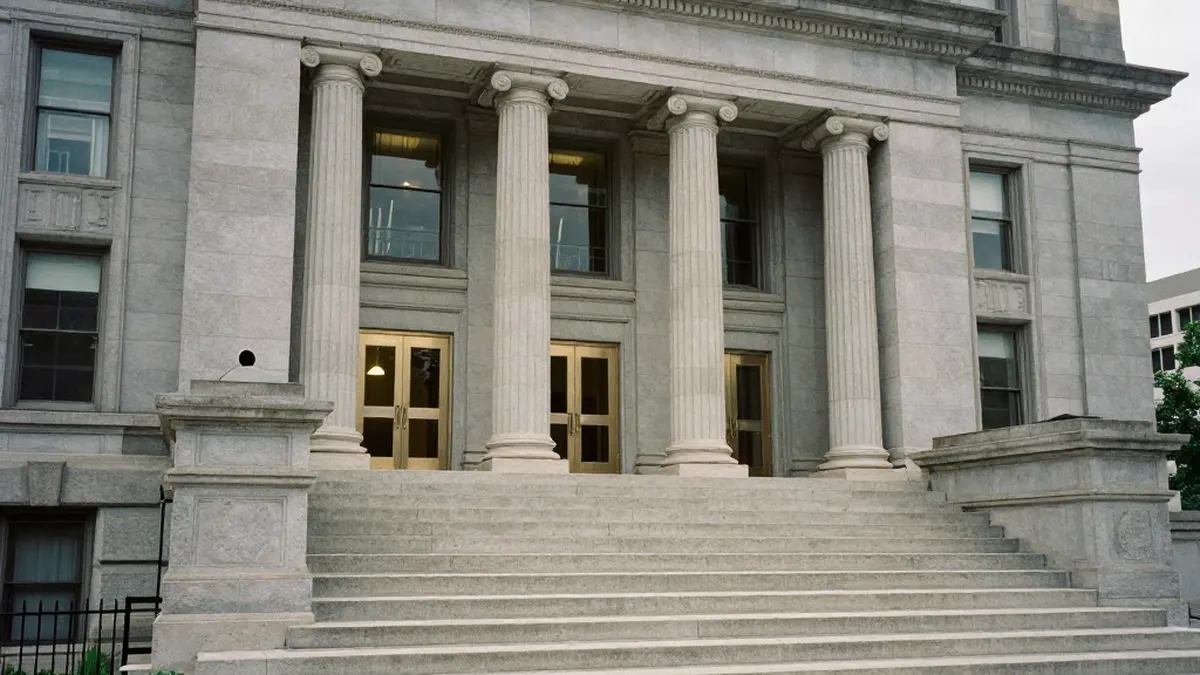
Cavaness, 42, was appointed in November as the first woman to serve as pastor in the church's 238-year history. A fourth-generation A.M.E. preacher from Newark, N.J., she previously spent 10 years leading Bethel A.M.E. Church of Ardmore, where she was also the first woman pastor. She succeeded the Rev. Mark Kelly Tyler, who left Mother Bethel after 16 years. The church is a national historic landmark, known as a center of Black activism and as the oldest church property in the United States continuously owned by Black people.
She learned of the assignment less than 24 hours before her first sermon, which she attributes to the itinerant nature of the Methodist tradition. "You're here to serve," she said. In that sermon, she spoke about her family's deep Philadelphia roots. She recalled wishing her father and grandmothers could have been there, and remembered the congregation rising to its feet as she entered the pulpit, along with the hugs and flowers she received.
In a conversation with The Inquirer, Cavaness said the year has changed her life. She described being entrusted with what she called a national and international treasure, and said she wants the church to remain a place of love, sanctuary and refuge. Seeing congregants smile more and express a renewed sense of hope, she said, is a gift to a pastor who can otherwise feel isolated in leadership.
Congregants have been supportive of her historic role, she said, and she has tried to build trust by simply being herself, which includes laughing and joking. She believes some people have been surprised by how accessible she is. Others have told her that her portrait will one day hang among those of the church's pastors. She counts herself among 53 in all, following 52 predecessors. She said an older man in New Orleans greeted her as the pastor of Mother Bethel, an exchange she said would have gone differently 50 years ago. Her 5-year-old twin nephews also wrote about her for a women's history project.
Cavaness was appointed just after Donald Trump won the presidential election, when many in her congregation were worried about what lay ahead. She said Black Americans are a resilient people who have faced "pharaohs and tyrants and dictators" before. In her view, Mother Bethel embodies democratic ideals as a safe haven, in keeping with the principles of the Free African Society, and has long filled gaps and led from the front.
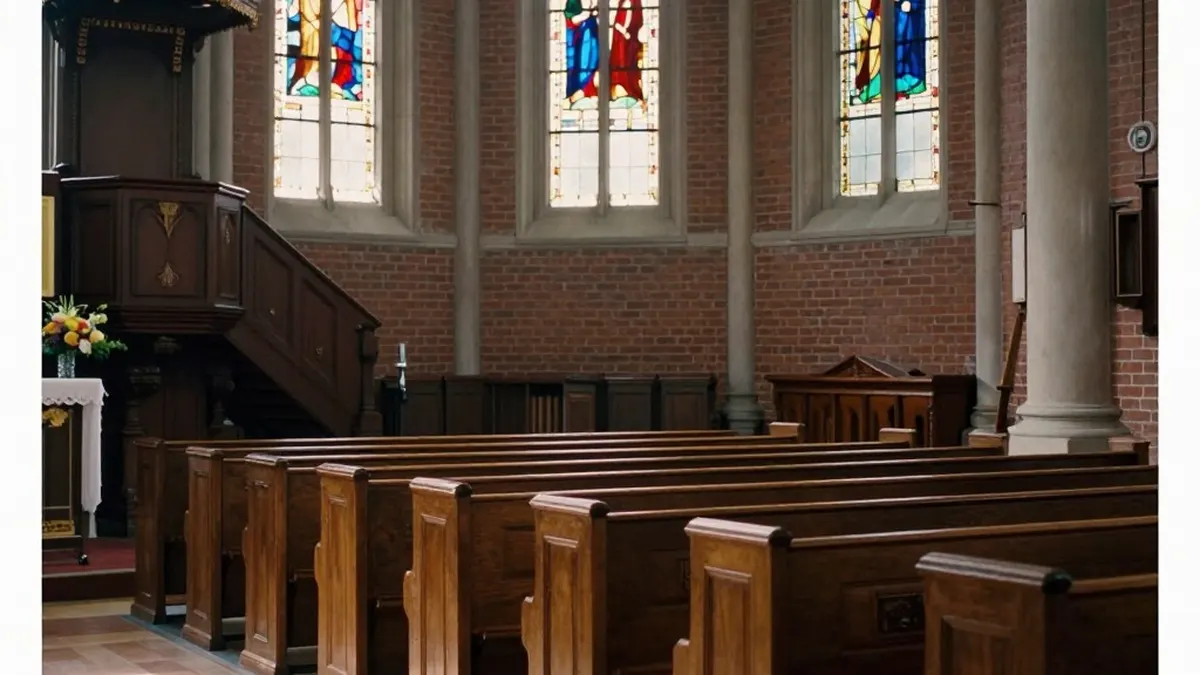
She also pointed to the importance of preserving history. Cavaness delivered the eulogy for Ruby Boyd, the first African American librarian in Philadelphia, who lived to 105. Boyd compiled the book On This Rock, which documents the church's stained glass windows and offers short profiles of its pastors. Cavaness said she used the eulogy to stress the congregation's responsibility to tell the church's story and make it accessible. What she called a "regime of erasure" has, she said, intensified her work as a spiritual leader and underscored the church's importance.
Looking ahead to her second year, Cavaness said she anticipates the nation's Semiquincentennial, the 250th anniversary. The congregation will also hold conversations about a larger preservation plan for the church and about how accessible the building is. She said she hopes to continue telling the church's story and to deepen community engagement, and she wants to see people grow stronger in their sense of witness.
Source: The Philadelphia Inquirer