Upward Relaunches to Court Marriage-Minded Gen Z
Match Group rebuilt its niche dating platform around traditional courtship features, citing new data showing 72 percent of young adults intend to marry.
By Hugo Khalil ·
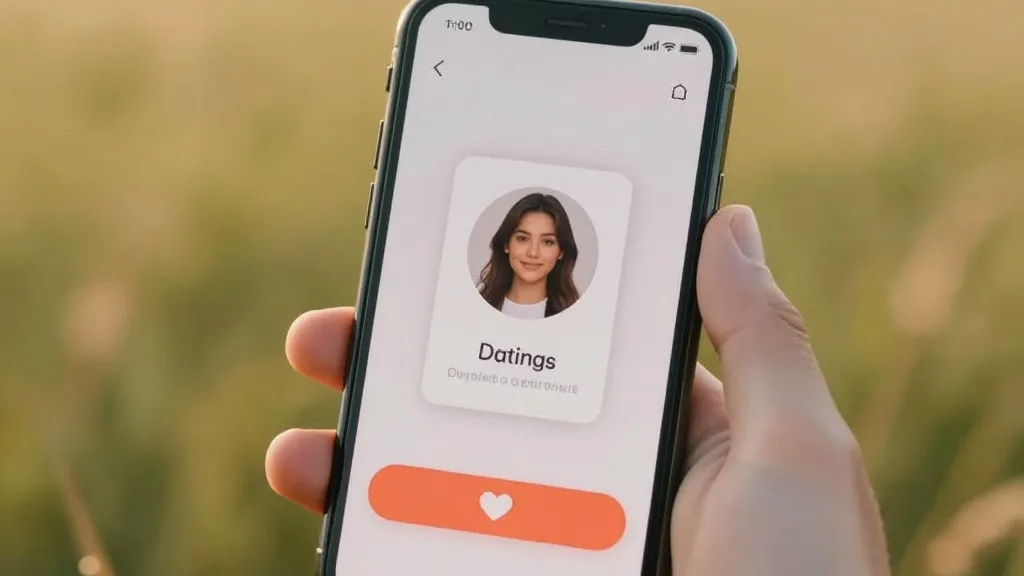
Match Group has rebuilt its dating application Upward to target young adults who prioritize marriage, shifting the platform's focus from an exclusive Christian audience to a wider demographic of traditionalists. The relaunch, which went live in September 2026, introduces new features designed to enforce traditional dating norms and explicit marriage timelines.
The strategic pivot follows Match Group's 2026 Singles in America study, which surveyed 5,000 unmarried U.S. singles. The report found that 72 percent of Generation Z respondents stated they want to get married. Additionally, one-quarter of singles between the ages of 18 and 34 identified with traditional values regarding family, faith, and community. Lauren DeFord, director of brand marketing at Match, described the change as a brand shift intended to welcome users who share marriage goals without necessarily leading with a faith-first mindset.
The updated app retains its swipe-based interface and tiered subscription model but adds two distinct tools. Chivalry Mode requires men to initiate contact, a format similar to the original structure of Bumble. Marriage Timeline allows users to disclose their intended wedding dates to potential matches. The company framed the relaunch as the home of modern courtship, utilizing Western-style imagery and a campaign titled Wanted: For Life. Promotional materials featured a newlywed man in a cowboy hat performing acts such as carrying his partner through a meadow and opening her car door, under a caption reading chivalrymaxxing.
Skeptics argue the platform misreads the current social landscape. Daniel Cox, director of the Survey Center on American Life, noted that Generation Z is entering adulthood with less defined relational priorities. He attributed the trend toward traditionalism to a lack of cultural norms around courtship, describing the new features as a script that daters are seeking. An American Institute for Boys and Men survey supports Cox's view of changing norms, finding that 44 percent of Generation Z men had no relationship experience during their teen years, double the rate of older cohorts.
Other data points to shifting attitudes toward marriage. A 2023 Pew Research study indicated that only 23 percent of adults considered marriage extremely or very important to a fulfilling life, compared to 61 percent who cited close friendships. The share of high school seniors expecting to marry someday dropped from 80 percent in 1993 to 67 percent in 2023. Cox cautioned that Match's statistics might be skewed by age, as older generations have already navigated marriage or divorce.
User reactions to the relaunch have been mixed. Adreanna Pulliam, a 25-year-old opera singer in Bloomington, Indiana, said the app attracted men who fit a conservative mold but also included odd profiles, such as a user with a photo taken at a funeral. She questioned why the platform allows married individuals to join or offers relationship status options like it's complicated. Tauti, a social work student in California, deleted the app within 48 hours, stating the experience turned her off from Christian dating. Heidi Marais, a teacher and single mother, questioned the inclusion of agnostic users on a platform with traditional values. Upward has not disclosed its active user numbers, and reviewers on the App Store have criticized the app's functionality and automatic ban system.
Source: Wired