7,000 units a quarter: Why Tesla is scrapping the Cybertruck in Australia
Tesla has halted plans to build right-hand-drive Cybertrucks for Australia and New Zealand, refunding deposits held for nearly seven years.
By Pavel Bell ·
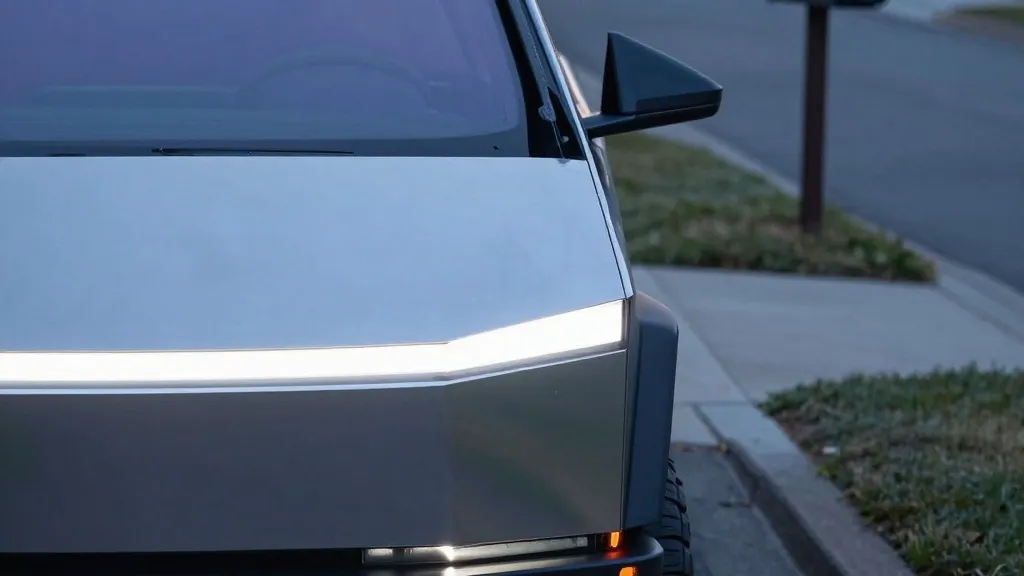
Tesla has officially ended its bid to sell the Cybertruck in Australia and New Zealand, a decision that leaves thousands of reservation holders with refunded deposits and no truck. The company sent emails to customers today confirming that production plans for these two regions have been discontinued. This marks the end of a long wait for buyers who have been anticipating a delivery since late 2019.
The financial figures behind the decision highlight the gap between Tesla's original goals and current reality. In the third quarter of 2026, Tesla delivered only 8,295 units in the category that now almost exclusively represents the Cybertruck. Estimates suggest actual sales were between 7,000 and 8,000 units during that period. This pace equates to roughly 30,000 vehicles per year, a fraction of the 250,000 annual capacity the production line was designed to handle. For a truck facing demand issues in North America, these numbers do not justify the cost of re-engineering for new markets.
The people affected by this shift are primarily Australian and New Zealand customers who placed A$150 deposits in November 2019. For nearly seven years, these individuals waited for a vehicle that Tesla eventually decided not to build for their specific region. The cancellation emails arrived just one day after Tesla reported its quarterly earnings. Tesla stated that all payments will be refunded within 30 days. Additionally, the automaker is offering a free one-year subscription to Full Self-Driving (Supervised) for those who switch their orders to a Model 3 or Model Y, which are available in right-hand drive configurations.
The technical and regulatory hurdles played a significant role in the final decision. The Cybertruck is currently manufactured only in left-hand drive. Australia and New Zealand require right-hand drive vehicles, and Australia also mandates certification under its own specific design rules. Creating a dedicated right-hand-drive version would require substantial investment. Tesla has previously launched the truck in left-hand-drive markets like South Korea, the UAE, and several Middle Eastern countries, but it remains blocked in the EU due to pedestrian safety concerns. The volume of sales does not support the expense of adapting the truck for markets totaling about 33 million people.
This move solidifies the Cybertruck's status as a niche product primarily for the United States. Tesla has shown no sign of investing further in the model for international expansion beyond left-hand-drive regions. The decision to close the Australian reservation page quietly in May 2022 signaled early trouble, but the full cancellation is the definitive outcome. By converting dead reservations into sales of established models, Tesla is prioritizing vehicles it can actually build for the local market. For now, the Cybertruck remains an American story, with international expansion limited to existing left-hand-drive inventory.
The cancellation follows a period of uncertainty where Tesla told shareholders in 2024 that certification for other markets might happen the following year. That deadline passed without a right-hand-drive version appearing. The delay allowed the truck's specifications and pricing to change significantly from what was originally reserved. As Tesla focuses on its core offerings, the Cybertruck will continue to be sold where the infrastructure already supports its current design. The refund process begins immediately for the affected customers in the Pacific region.
This development serves as a clear signal of how Tesla is managing its product portfolio. Rather than stretching resources to adapt a single vehicle for complex regulatory environments, the company is consolidating its efforts. The numbers from Q3 2026 provide the context for this strategic pivot. With production capacity far exceeding current demand for this specific model, Tesla is making a calculated choice to stop the build in Australia and New Zealand. The focus now shifts to ensuring that the vehicles already in production find their buyers in established markets.
Source: Electrek · original report published