Border officers searched 52,080 traveler devices in nine months
U.S. Customs and Border Protection data shows a sharp rise in inspections of phones and laptops, with the agency withholding specific location and citizen breakdowns.
By Pavel Bell ·
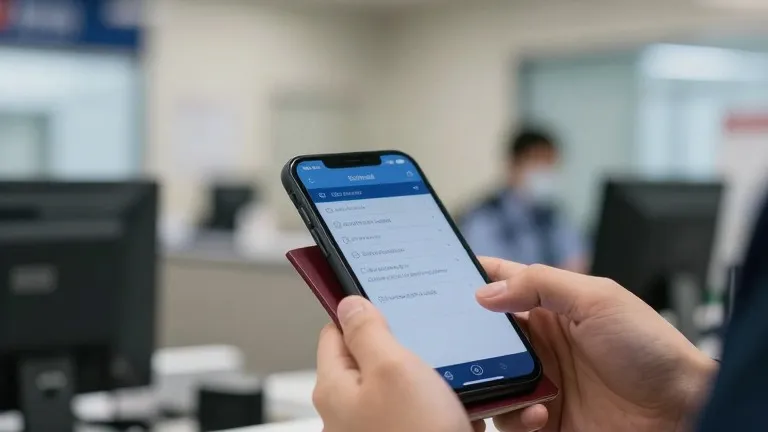
Travelers crossing into the United States faced a marked increase in electronic device inspections during the first three quarters of fiscal year 2026. U.S. Customs and Border Protection officers searched 52,080 devices between October 1, 2025, and June 30, 2026. This total represents a rise of more than 32 percent compared to the 39,251 devices searched during the same period in the previous year.
The current figure approaches the all-time high set in fiscal 2025, when 55,424 devices were examined. CBP categorized 47,517 of the recent inspections as basic searches. These can be conducted without reasonable suspicion of wrongdoing. The remaining 4,564 were advanced searches, which allow officers to analyze or copy device contents when they have reasonable suspicion of unlawful activity or national security concerns.
The agency did not specify how many of these searches occurred at the Canadian border versus the Mexican border. It also withheld data on the split between airports and land crossings, the total number of travelers who entered the country, and the number of searches involving U.S. citizens versus non-citizens. These details are typically included in CBP annual reports.
Jessica Turner, a CBP public affairs officer, stated that searches affected a small fraction of the 419 million travelers who entered the country in 2025. "CBP's border searches of electronic device numbers are consistent with increases since 2021, and year-over-year only 0.01 per cent of travellers have their devices searched," Turner wrote in an emailed response. She noted that the aim is to detect digital contraband, terrorism-related content, and information relevant to admissibility.
Civil rights groups have called for greater transparency. Esha Bhandari, director of the ACLU's Speech, Privacy and Technology Project, said the lack of explanation for the increase makes it difficult to assess the reasons. "It's hard to speculate on the reasons for the increase because the government doesn't explain it," Bhandari said. She argued that when the government holds search power, it tends to use it to the detriment of traveler privacy.
Laura Dawson, executive director of the Future Borders Coalition, pointed to several factors that could explain the higher numbers. These include a more diverse mix of visitors during the summer World Cup and increased cooperation between Canadian and U.S. border services on issues like human smuggling. Dawson noted that while device searches remain rare, her organization hears troubling anecdotes about travelers being questioned on political opinions and religious practices.
Dawson calculated that one in 9,000 crossings leads to a U.S. inspection, while one in 14,000 leads to a search on the Canadian side. Canadian officials have historically searched a smaller share of devices than their U.S. counterparts, with numbers falling in recent years. The Canada Border Services Agency stated that its 2026 statistics are not yet available.
Source: CBC News