SpaceX Turns Down Military Launch Deals; Spain’s Miura 5 Nears Completion
SpaceX declined three Space Force contracts while PLD Space pushes its Miura 5 rocket toward final testing for a launch targeted before mid-2027.
By Pavel Bell ·
SpaceX has told the U.S. Space Force it will not take on three military launch contracts it was offered. The company also faces a new NASA finding: its Starship vehicle could require as many as 22 refuelings to support a lunar landing, according to a NASA safety panel. No further details were provided on either development.
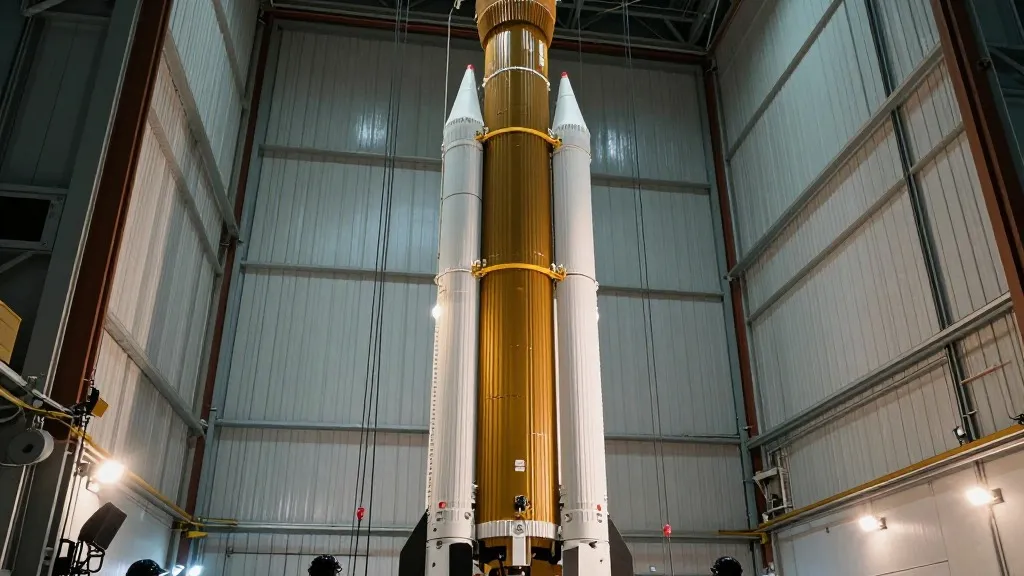
On the rocket side, PLD Space's Miura 5 is approaching final integration ahead of its first flight. The vehicle is one of three Miura 5 rockets the company has already manufactured; the other two are built to qualify key system elements, according to CEO Raúl Torres in an October 19 program update. The company is targeting a first flight before mid-2027.
A second stage for one of those rockets is now fully integrated and has been sent to PLD's Teruel test facility for system-level testing under representative operating conditions. That work will include a wet dress rehearsal and a static hot-fire test as part of the qualification campaign.
Manufacturing all three vehicles has let PLD's teams run continuously across production and integration steps, applying lessons from each qualification campaign directly to launch vehicle work, Torres said.
Separately, Reaction Dynamics, one of three prominent Canadian launch startups, is looking to raise $350 million. The funding would expand its staff from 68 to more than 350 people, according to spaceQ. Reaction Dynamics is developing the small-lift Aurora rocket and hopes to reach orbit with it in 2028, and it has also announced plans for a medium-lift rocket, Borealis, set for a debut by 2031.
For now, attention stays on whether SpaceX moves ahead with any military work and how PLD Space's Miura 5 tests proceed ahead of a launch planned for next year. No schedule or outcome was given for the Starship refueling plan outlined by the NASA safety panel.
Source: Ars Technica · original report published