NASA Targets 2028 Moon Landing With Revised Starship and Blue Origin Architectures
The agency has finalized new docking strategies for lunar landers, eliminating complex orbital maneuvers to keep the Artemis IV mission on schedule.
By Hugo Khalil ·
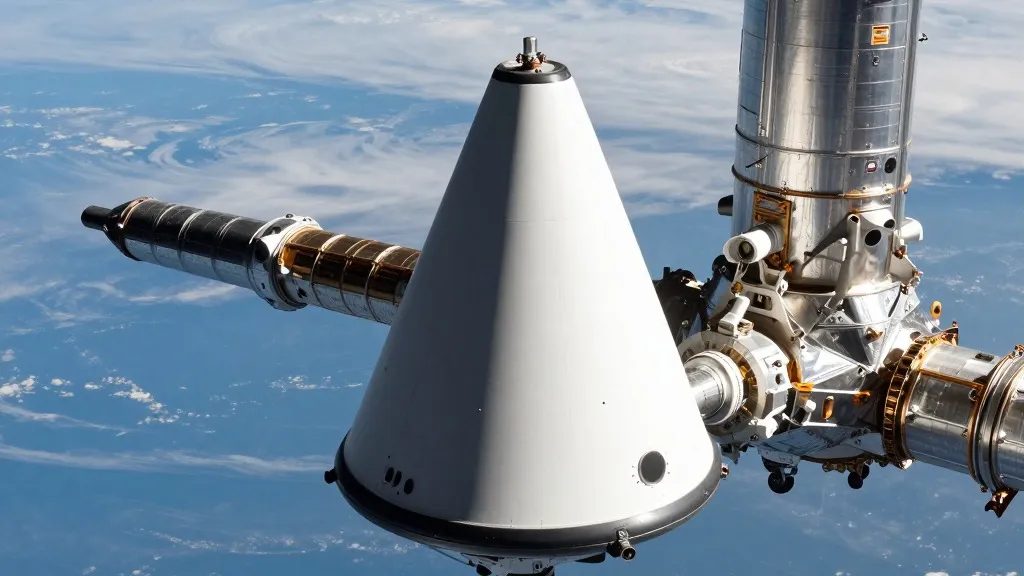
NASA has officially detailed its updated strategy for returning astronauts to the lunar surface, confirming a target launch date of 2028 for the Artemis IV mission. During a comprehensive press conference held on Friday, agency leaders outlined specific architectural changes designed to streamline the complex logistics of the Artemis Program. This presentation marked the first time NASA has publicly laid out these modifications in full detail, acknowledging significant shifts in how the two competing lunar lander systems will integrate with the Orion spacecraft.
The most substantial alteration involves the plan for SpaceX’s Starship vehicle. Under the revised architecture, the Orion capsule will now dock with the Starship lunar lander in high-Earth orbit prior to the trans-lunar injection. This change removes the previous requirement for a docking maneuver in a near-rectilinear halo orbit around the Moon. Engineers at SpaceX had long advocated for this shift during meetings in early 2026, citing the excessive energy requirements and technical difficulties associated with the lunar orbital rendezvous. The cancellation of the Lunar Gateway project earlier this year effectively resolved this hurdle for the SpaceX team.
For Blue Origin, the updated mission profile dictates four separate launches of the New Glenn rocket. Crucially, this architecture does not require any refueling operations between spacecraft. The plan allows for the Blue Moon lander to potentially rendezvous with Orion in low-Lunar orbit. This streamlined approach avoids the complexity of in-space propellant transfer, which has been a persistent challenge in previous lunar landing concepts. By defining these specific launch and docking parameters, NASA aims to reduce execution risks for both commercial partners.
NASA officials reaffirmed their timeline for the near-term future, stating they still anticipate launching the Artemis III mission by the summer of 2027. This upcoming flight will serve as a critical demonstration, involving docking maneuvers with both the Blue Moon and Starship vehicles near Earth. Following this test, the agency is tracking toward the 2028 launch of Artemis IV, which will mark the first crewed lunar landing since the Apollo era. The agency emphasized that these dates are based on current stakeholder support and available resources.
NASA Administrator Jared Isaacman expressed confidence in the revised roadmap, noting that the agency possesses the mandate and necessary resources to execute the plan. He stated, “This is an achievable path we are on right now,” highlighting the agency's intent to move forward with the accelerated schedule. The leadership team has reportedly conducted a thorough review of every element of the Artemis Program to ensure the changes facilitate faster execution by the lunar lander companies.
The outlook for the program depends on the ability to maintain these tight timelines while integrating the new architectural changes. While the removal of the complex lunar halo orbit docking reduces one major technical barrier, the agency must still coordinate the precise launch windows for the multiple New Glenn rockets and the Starship vehicle. The success of the Artemis III demonstration next year will be the primary indicator of whether the 2028 landing target remains realistic.
This updated framework represents a significant consolidation of the Artemis architecture, moving away from earlier, more complex concepts. By finalizing the docking and launch sequences, NASA provides clear guidance to its commercial partners. The focus now shifts to executing the upcoming Earth-orbit tests and preparing for the trans-lunar transit that will define the next phase of human space exploration.
Source: Ars Technica · original report published