Moon landing needs 22 rocket flights
A new safety panel estimate suggests SpaceX must launch 22 Starships to refuel a lunar lander, raising concerns about the Artemis timeline.
By Hugo Khalil ·
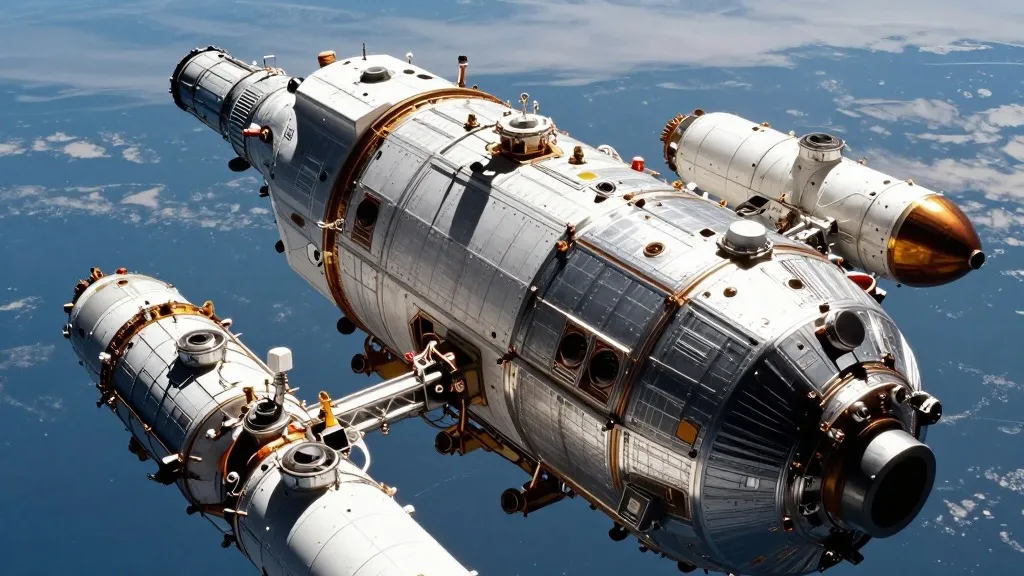
NASA has long treated the number of rocket launches needed to send humans to the Moon as a closely guarded secret. The agency has resisted pinning down this figure, often responding that the data was too fluid to share publicly. This opacity has made the Artemis program a source of tension for engineers and observers who want to know exactly how much propellant and infrastructure are required to get a crew to the surface and back.
The specific metric in question is the count of Starship launches necessary to fill a lunar lander with fuel in low-Earth orbit. This lander must be heavy enough to fly to the Moon, land, and then return to orbit. Because the lander cannot carry all its own fuel from Earth, it must be refueled in space by other Starships acting as tankers.
For years, NASA officials have offered only vague ranges to describe this requirement. In 2023, Lisa Watson-Morgan, who then led the Human Landing System program, told Ars Technica that the agency had a general idea but was reluctant to state it precisely. She later described the number as being in the high single digits to the low double digits, which implied roughly a dozen launches.
That estimate suggested a logistics chain where SpaceX would launch one depot Starship followed by eleven tanker Starships. Each tanker would carry liquid oxygen and methane to load the depot. Other officials have occasionally cited figures in the high teens, reflecting the uncertainty of the engineering calculations. The underlying hope has always been that SpaceX would increase the lift capacity of its rockets, thereby reducing the total number of tanker flights needed.
However, new information suggests that this dramatic improvement in lift capacity may not arrive soon enough to support NASA's current goals. Some agency officials are now concerned that the Starship may not play a meaningful role in returning humans to the Moon within this decade if the fueling requirements remain high.
The latest estimate emerged on Thursday during the quarterly meeting of the NASA Aerospace Safety Advisory Panel. Charlie Precourt, a panel member and former NASA astronaut, discussed the risks associated with the Artemis program. His presentation highlighted the critical nature of the in-orbit refueling process.
Precourt indicated that the most current internal estimate for the number of Starship launches required to support a lunar landing is 22. This figure is significantly higher than the low double-digit numbers previously suggested by program leaders. It implies a much more complex and risky logistics operation in low-Earth orbit.
The jump in the number of required launches underscores the technical challenges of the Artemis architecture. If the number holds at 22, SpaceX must execute a high frequency of successful launches and in-space operations. This places immense pressure on the development schedule and the reliability of the Starship system.
For readers in New York and New Jersey, who are home to many aerospace engineers and contractors, this shift in estimates signals a potential recalibration of the program. The conflict between the ambition of a Moon landing and the physical limits of current rocketry remains the central tension of the era.
Source: Ars Technica · original report published