SpaceX Earnings Shock: Why Your Tech Stock Portfolio Just Got Priced In Again
A massive beat in quarterly revenue and aggressive AI infrastructure spending have sent SpaceX shares soaring, prompting a historic wave of price target hikes from Wall Street.
By Hugo Khalil ·

For investors in New York and New Jersey who hold positions in the space and technology sectors, the trading session on October 21 brought immediate and tangible changes to portfolio valuations. Following the release of financial results after the close on October 20, SpaceX shares surged approximately 8 percent in premarket trading, breaking away from the previous day's closing price of $147.79. This sharp movement reflects a rapid reassessment of the company’s long-term value, driven by a set of financial figures that significantly exceeded what the market had anticipated.
The core of this revaluation lies in the sheer scale of the company’s recent performance. SpaceX reported total revenue of $14.6 billion for the third quarter of 2026, a figure that represents a 161 percent year-over-year increase. This result comfortably outpaced the consensus estimates, which had hovered near $12.7 billion. Equally significant was the shift in profitability; the company posted a net profit of $4.4 billion, reversing a loss recorded in the same period the prior year. Adjusted EBITDA reached $8.8 billion, signaling a robust operational bottom line that supports higher valuation multiples.
The breakdown of these earnings reveals a strategic pivot toward artificial intelligence. The Super Intelligence division, which includes the Grok model, generated approximately $7.6 billion in revenue, becoming the company’s largest income stream. This segment grew nearly 830 percent year-over-year, outpacing the Connectivity segment, which delivered $5.2 billion. The connectivity business continues to expand its consumer base, with Starlink subscribers reaching 13.6 million, driven by strong additions in the enterprise and consumer markets.
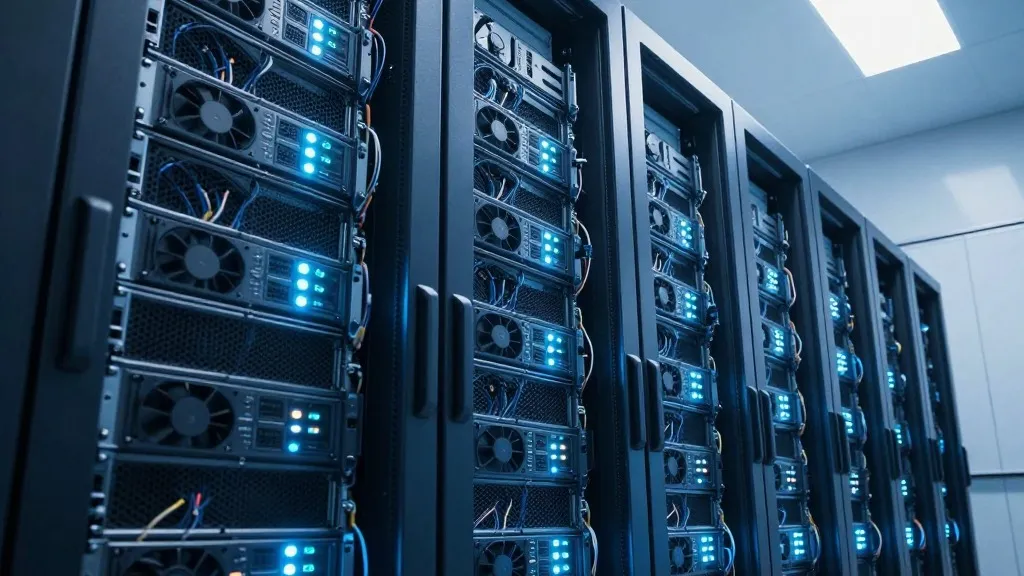
The catalyst for the market’s bullish reaction, however, came from the earnings call led by CEO Elon Musk and CFO Bret Johnsen. Management provided first-quarter 2027 revenue guidance ranging from $33 billion to $37 billion, a range that far exceeded the approximately $22 billion modeled by analysts. To support this growth, the company outlined fourth-quarter capital expenditure plans of $35 billion to $40 billion, primarily focused on AI compute infrastructure at sites in Memphis and Southaven. This aggressive spending signals a commitment to scaling its computational capacity rapidly.
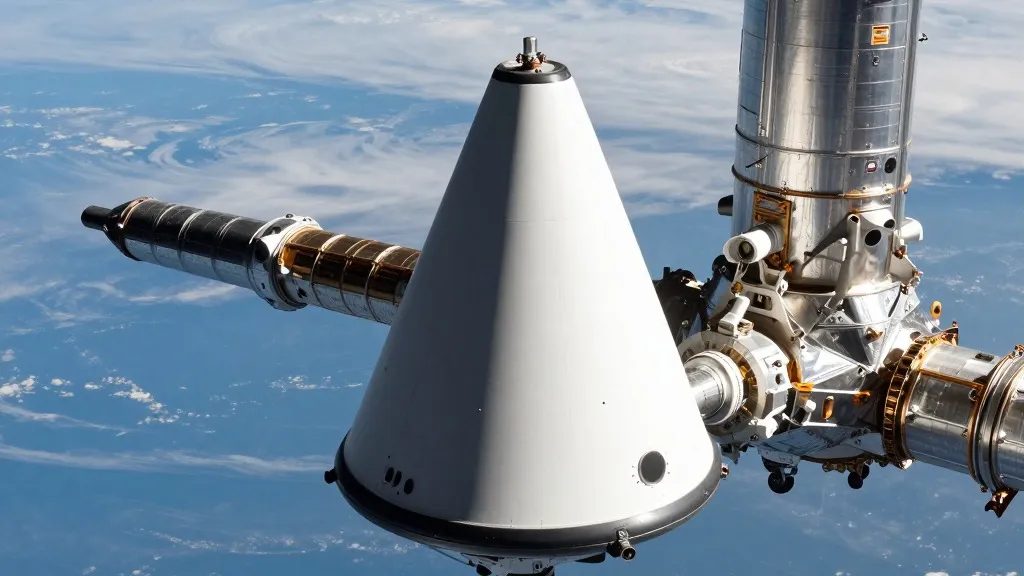
Technical milestones and strategic expansions further underpin these financial projections. Management targets 2.5 to 3 gigawatts of nameplate compute capacity by the end of the year, with pathways discussed to reach 13 gigawatts or more by the end of 2027. Musk highlighted relentless demand from hyperscalers, noting that compute pricing currently supports payback periods of less than a year, with some scenarios as short as six months. Additional operational highlights included the recent orbital success of Starship, the deployment of V3 satellites, and spectrum expansion plans.
Wall Street’s response has been swift and decisive, with a wave of price target increases across major investment firms. JPMorgan more than doubled its target to $500 from $240, maintaining an Overweight rating. Cantor Fitzgerald raised its target to $345 from $246, while Barclays and Morgan Stanley both moved to a $300 target. Citi increased its outlook to $240, and UBS and TD Cowen adjusted their targets to $230 and $224, respectively. Wells Fargo and Clear Street also moved higher, reflecting a broad consensus that the company’s growth trajectory has accelerated.
Analysts have broadly cited the strong quarterly print, the acceleration of AI compute expansion, and progress in the Starlink and Starship programs as key drivers of this increased optimism. The formation of special committees to explore a potential combination with Tesla adds another layer of strategic interest, suggesting that the company’s integration into the broader electric vehicle and energy ecosystem may deepen in the coming months.
For ordinary investors, the immediate impact is a re-pricing of risk and reward in the space sector. The average analyst price target has moved higher, reflecting greater conviction in SpaceX’s trajectory across launch, connectivity, and its new AI business. While elevated spending remains a point of focus, the combination of record revenue, strong profitability, and explicit guidance for 2027 suggests that the market is now pricing in a higher growth rate for the foreseeable future.
Source: Teslarati · original report published
More Business · Bad Service · Report a business · Got a Story?