Dr. Norman Rosenthal explains the mechanics of seasonal depression and practical ways to manage it
The psychiatrist who defined the condition outlines light therapy, dietary timing, and exercise as primary tools for the estimated five percent of Americans affected.
By Sergio Morris ·
When Dr. Norman Rosenthal moved from South Africa to the United States in 1976, he noticed a distinct shift in his own energy levels during the harsh winters. He observed that other people experienced similar changes, describing their moods as declining on a predictable schedule. He spent years studying this phenomenon and published the first research on the syndrome in 1984, coining the term seasonal affective disorder.
The American Psychiatric Association estimates that one in 20 people in the U.S. live with this condition. Symptoms typically persist for about 40% of the year. Affected individuals often report feeling sluggish, sleeping too much, eating more carbohydrates, and losing interest in activities they previously enjoyed. Women are approximately four times more likely to be vulnerable than men, and the disorder is more common in the Northern Hemisphere.
Rosenthal notes that the symptoms often creep up on patients. He compares the progression to the story of the frog in the bowl that gets warmed up incrementally until it is too late to escape. A patient once described the feeling as wanting to hibernate like a bear. For those who recognize this pattern, the condition can become debilitating if left unaddressed.
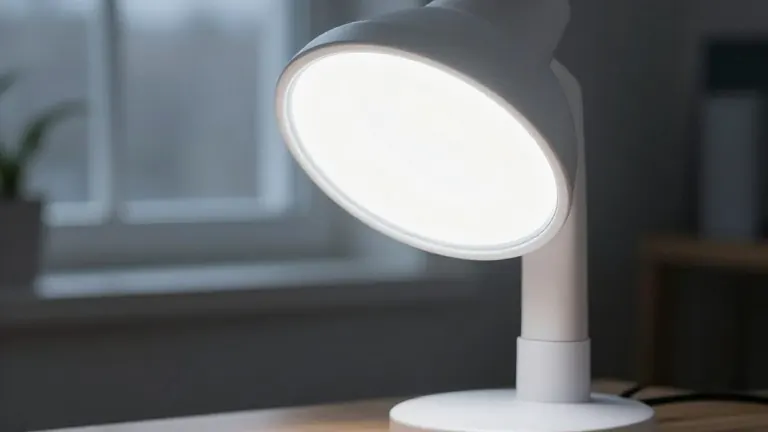
Light therapy is a central part of the physiological treatment. Specialized lamps generate approximately 10,000 lux, a level of intensity far exceeding standard indoor lighting. Rosenthal advises placing the lamp so the light shines down on the user, mimicking the sun in the sky. The light is absorbed through the eyes, not the skin. Users should sit near the device for 20 to 30 minutes each morning. If no improvement is felt within two weeks, the lamp may not be effective for that individual.
Dietary habits also play a role in managing the disorder. Emily Manoogian, a clinical researcher at the Salk Institute for Biological Studies, explains that food acts as a cue for the body's 24-hour circadian rhythm. She recommends stopping the intake of food three hours before sleep. Keeping eating within a consistent 10 to 12-hour window helps signal to the body what time it is, aiding in the regulation of wakefulness and rest.
Physical activity serves as another environmental cue for the internal clock. Manoogian says exercising during the active parts of the day helps stimulate the brain to be awake at the right time. Rosenthal warns that inaction creates a vicious cycle where less light leads to more depression, which leads to even less activity. Forcing oneself to move helps break that loop.
Stress is the third major component of the disorder, alongside genetics and light exposure. Rosenthal suggests that reducing stress through therapy, meditation, or simple environmental changes like bright colors can help. If the condition interferes with work or personal relationships, medication can also be effective. Rosenthal concludes that while these measures do not cure the disorder, consistent management can render it less disruptive.
The psychiatrist emphasizes that the goal is to prevent the condition from dominating daily life. By addressing light, diet, movement, and stress, individuals can mitigate the impact of the seasonal shift.
Source: WYPR