Eisenkot and Netanyahu Both Claim Victory as Israel Counts Deadlock
With 77.7% turnout and no clear majority, the two rivals each assert they have the mandate to govern.
By Pavel Bell ·
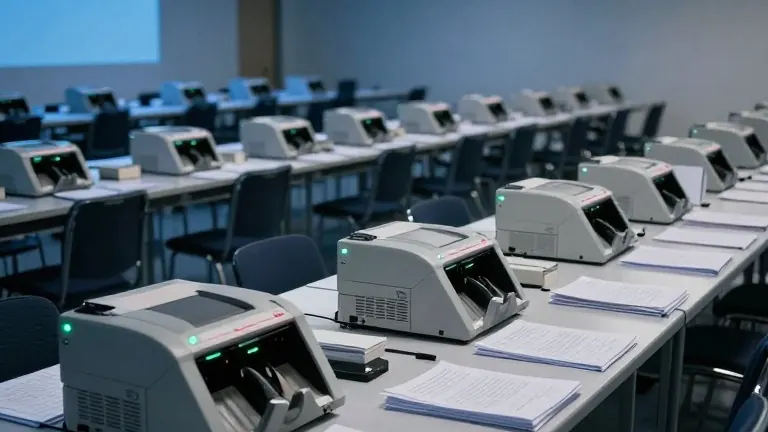
Turnout reached 77.7 percent in Tuesday's election, the highest figure recorded in Israel in more than two decades. That number sits seven percentage points above the 2022 vote and signals a electorate highly engaged in determining the nation's next leadership path after the Hamas-led attack of October 7, 2023.
As of Wednesday, the Central Elections Committee had tallied approximately 48.4 percent of ballots. Israeli media projections placed Netanyahu's bloc at 55 seats and Gadi Eisenkot's bloc at 50. An additional 15 seats were projected for Arab parties. Definitive results are expected by Thursday. Neither camp currently holds the 61 seats required for a majority in the 120-seat Knesset.
Benjamin Netanyahu, 77, addressed supporters at Likud headquarters in Jerusalem after 3 a.m. local time. He urged the formation of a strong, right-wing national government. Netanyahu cited military successes and suggested renewed joint action with U.S. President Donald Trump against Iran. He stated, "Israel faces a singular historical opportunity, together with our partner President Trump, to remove the existential threat of Iran once and for all."
Gadi Eisenkot, 66, countered that voters had turned away from the longtime prime minister. Eisenkot, who leads the Yashar party and served as a former military chief, called on Netanyahu to retire. "Netanyahu is a caretaker prime minister, without a mandate or the people's trust," Eisenkot said. He also urged the security establishment to stand firm against political interests.
Donald Trump, who endorsed Netanyahu, commented from Texas after a campaign trip. He described the race as pretty close and suggested the endorsement helped. Trump added that Netanyahu might be winning or tying, noting that a tie is sort of considered a win in that case because it is a big chess man match.
Coalition math remains difficult for both sides. Netanyahu's bloc has ruled out a government with Arab parties. Eisenkot has all but ruled out including them as well. Far-right religious parties led by Itamar Ben-Gvir and Bezalel Smotrich were projected to take a combined 13 seats. The stalemate may benefit Netanyahu, who would remain caretaker prime minister during lengthy talks or until a new election.
Eisenkot entered politics four years ago and joined Netanyahu's war cabinet after the 2023 attack before quitting eight months later. He lost a son and two nephews in the Gaza war. He presents himself as a centrist at home but maintains a hawkish security stance, opposing Palestinian statehood and arguing that Hamas' military wing must be destroyed or dismantled. Voters weighed the trauma of October 7, which killed 1,200 people according to Israeli government tallies, against the ongoing conflict that has killed more than 74,000 Palestinians according to Gaza health authorities.
Source: CBC News