Galgamuwa Villagers End Kavantissa's Life
Sri Lanka's tallest wild bull elephant died in October after a gunshot wound to his leg, renewing debate over the island's human-elephant conflict.
By Sergio Morris ·
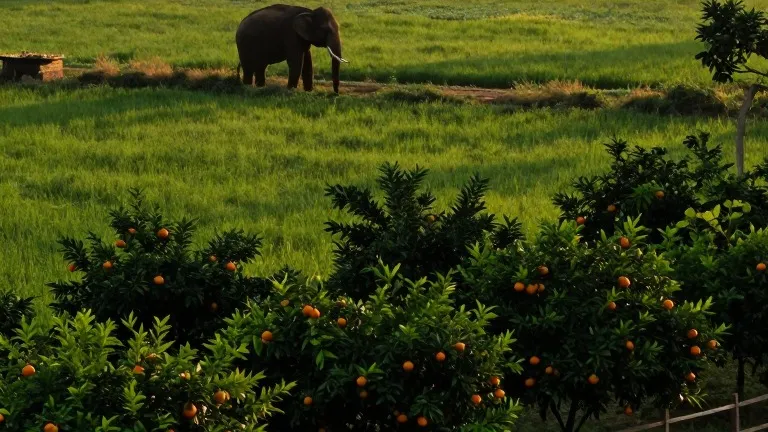
Kavantissa, a male Asian elephant estimated at 45 years old, died on October 16 near the village of Galgamuwa in northwest Sri Lanka. The animal, which stood approximately 3.3 meters tall and weighed roughly 5,500 kilograms, was recognized as the tallest living male elephant in the country. He died from a gunshot wound to his right leg, a injury that had caused him to limp in the weeks before his death.
The incident followed a pattern of tension between local residents and the large animals that roam the region. In late September, villagers observed the elephant moving with a limp. A closer inspection revealed the wound on his right leg. Veterinary surgeons attempted to treat the animal, but he did not survive the injury.
Sri Lanka currently holds about 10% of the world's Asian elephants while occupying only 2% of their natural range. This density makes the island a hotspot for conflict. Official data indicates that since 2019, an average of 370 elephants and 125 people have died annually in violent encounters. These incidents typically occur when elephants leave protected areas to raid crops or enter farmland.
The pressure on elephant habitats has intensified as the rural population grew from 8.25 million in 1960 to 17.8 million in 2020. With farming serving as the primary income source for many, land clearing for agriculture continues to reduce forest cover. The Department of Wildlife Conservation estimated the wild elephant population at 7,451 in 2024, noting that about 70% of these animals live outside protected zones. Each elephant requires roughly 150 kilograms of green matter daily, drawing them toward agricultural fields.
Ravi Corea, president of the Sri Lanka Wildlife Conservation Society, identified habitat loss and fragmented corridors as primary drivers of the conflict. He noted that crop losses threaten the livelihoods of rural families, distinguishing the situation from wildlife conflicts in wealthier nations. Although a national action plan was drafted in 2020, Corea stated that it requires a comprehensive conservation strategy with enforceable habitat protection to be effective.
Community-based programs have shown measurable success in reducing encounters. In the Wasgamuwa region, Project Orange Elephant encourages farmers to grow citrus crops that elephants avoid, providing an alternative income source. Electric fencing also protects settlements and farmland in that area. The EleFriendly bus service transports schoolchildren through elephant corridors, reducing dangerous encounters along its original route by more than 90%.
Kamal Shashendra, an environmental ethics researcher based in Sri Lanka, argued that any fair solution must protect human lives, livelihoods, and elephant populations simultaneously. He told Deutsche Welle that this requires scientifically informed land-use planning, protected corridors, community-based fencing, effective early-warning systems, and fair compensation for affected families.
Source: Deutsche Welle