Jack Dorsey's Block releases AI that learns language only from sound
The company says the new model, called Dessa, was built without any text data and can operate on high-end Mac laptops.
By Pavel Bell ·
Jack Dorsey's company Block announced a new artificial intelligence system named Dessa. The team states the model was trained entirely on human conversation without using any written text. They describe it as a true speech-to-speech system that processes audio directly.
Block shared recordings of people talking to the model to show how it works. One clip was posted by Ragavan Thurairatnam, who leads the project. In that exchange, the system initially mistakes the speaker for a person named Ronaldo. Other examples on the company website show Dessa discussing Christopher Nolan films and drifting into a tangent about Bryan Singer's Superman movies. In another clip, a user mentions a surprise trip to Paris, and the model responds with what the website describes as teary gratitude.
The developers note that current voice assistants often convert spoken words into text before processing them. They argue this approach loses natural timing and nuance. The team says speech is the most natural way for humans to interact with intelligence. They believe their method avoids the limitations of converting sound to written words.
The project team listed three main reasons for building Dessa: curiosity, better human-AI understanding, and safety. They compared the training process to how babies learn to talk without reading. The team said it was difficult but proved that a model can learn language solely from audio. They also highlighted a safety concern regarding emotion. The developers argue that many AI systems are nearly deaf to the feelings in a person's voice. They described a scenario where a user is in pain but the AI carries on without recognizing the distress.
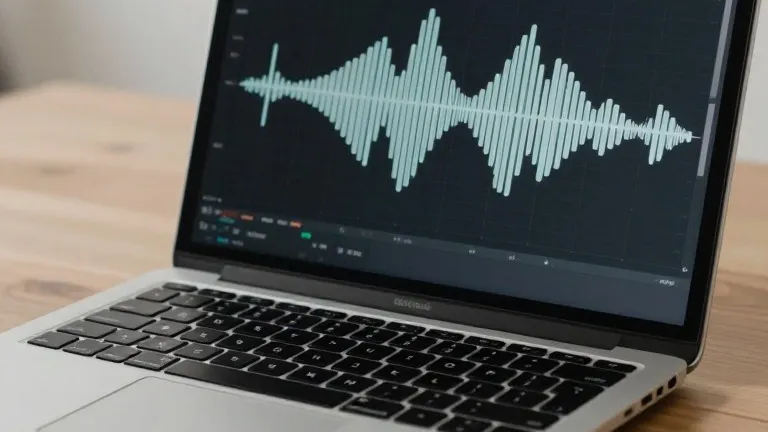
Block stated that Dessa can run locally on a MacBook Pro M4 Max or a more powerful machine. This setup allows the system to operate without sending data to external servers for every interaction. The company plans to give early access to a small group of AI safety researchers. The announcement did not include a timeline for a wider public release.
Source: The Verge