New energy dividend plan aims to win over neighbors of AI data centers
The White House is pushing data center operators to share excess power and costs with local residents to reduce opposition to new AI infrastructure.
By Hugo Khalil ·
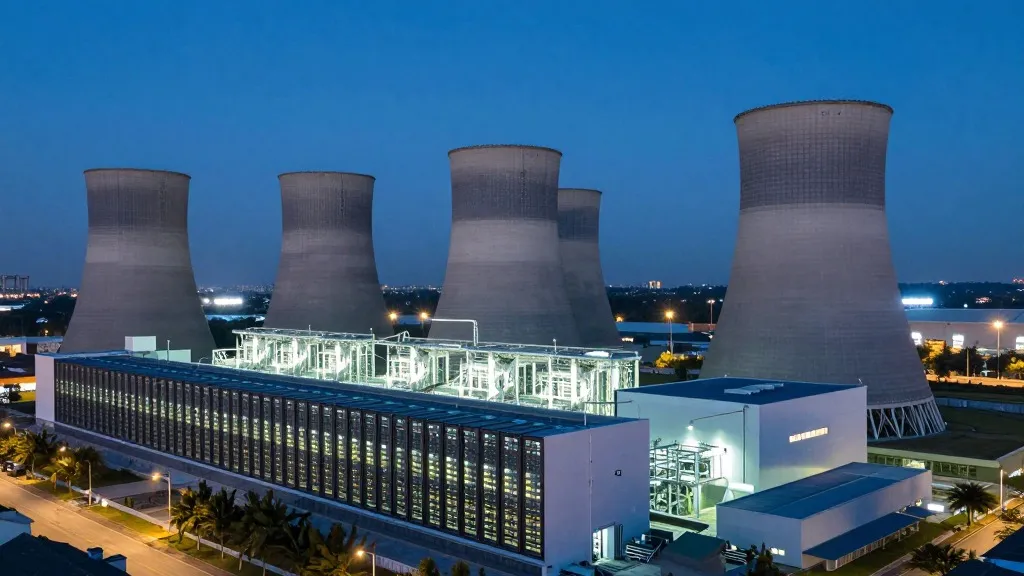
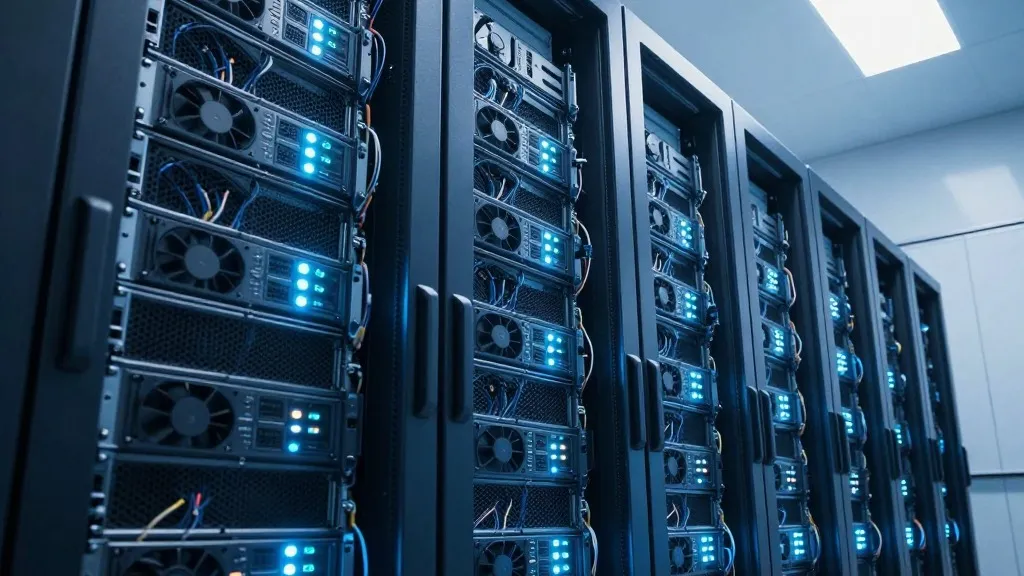
Tension has long existed between the rapid expansion of artificial intelligence infrastructure and the communities that host these massive facilities. On October 21, 2026, President Donald Trump sought to address this friction by announcing a new directive. He called on data center builders and large AI companies to pay a financial dividend to local communities. The goal is to offset rising energy prices or even lower them, making the presence of these centers more acceptable to nearby residents.
In a post on Truth Social, the President outlined the specifics of this mandate. He stated that data centers would be required to generate their own electricity. Beyond self-generation, he insisted that any excess power produced must be given or sold back to the local community. This approach is designed to ensure that the energy demands of AI do not solely burden local households through higher utility bills.
The push for these concessions comes as local governments and residents across the United States increasingly protest against AI data centers. These facilities often have a significant footprint, leading to complaints about noise pollution, water shortages, and air quality. Additionally, the strain on local power grids has resulted in higher electricity costs for families in the vicinity. By demanding that companies share the wealth of their energy production, the administration hopes to alleviate these immediate economic pain points.
The Trump administration remains focused on maintaining a competitive edge in the global AI race, particularly against China. To do so, it needs to streamline the construction of new data centers while minimizing local resistance. A recently passed act already requires data centers to cover the costs of necessary grid upgrades, preventing those expenses from falling on local tax bases. The new dividend proposal builds on this framework by directly linking energy production to community benefit.
Trump emphasized that financial incentives can change public perception. He noted that data centers which were once unpopular in certain areas have become popular once a financial deal was struck. In his post, he urged developers to make deals and get the projects built. This strategy aims to transform the data centers from sources of local grievance into partners in community economic stability.
However, the effectiveness of this mandate remains to be seen. While addressing electricity costs is a major concern for many households, it is only one aspect of the broader issue. Critics point out that data centers also consume enormous amounts of water and cause ecological damage. Pollution and deforestation remain significant challenges that a simple energy dividend may not fully resolve.
The implementation of this policy will require careful negotiation between corporate developers and local stakeholders. As the administration moves forward, the focus will be on whether these energy dividends are substantial enough to win over skeptical communities. The coming months will reveal if this new approach can successfully balance the demands of AI expansion with the needs of local residents.
Source: Tom's Hardware · original report published