NHTSA Proposes Mandatory Cyan Lights for Driverless Vehicles
Federal regulators aim to standardize the visual signaling of autonomous cars while stripping away obsolete requirements for manual controls.
By Sergio Morris ·
A longstanding debate over how autonomous vehicles should visually distinguish themselves from human-driven cars has reached a decisive regulatory stage. Federal authorities are moving to end the fragmentation of signals by proposing a single, standardized color for driverless operation. This initiative seeks to resolve confusion on the road by establishing a uniform visual language for the growing fleet of robotaxis.
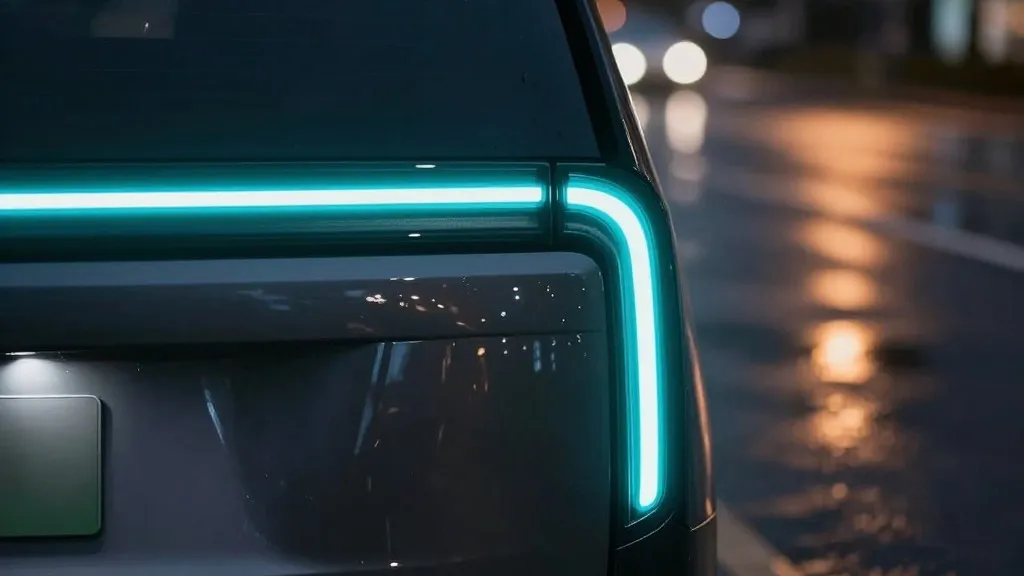
The National Highway Traffic Safety Administration (NHTSA) has released proposed amendments to Federal Motor Vehicle Safety Standard No. 108. These changes specifically rewrite regulations to accommodate autonomous vehicles. The core of the proposal involves mandating the use of cyan-colored marker lamps. The agency argues that this distinct blue-green hue fills a visual gap in the current traffic signal palette, which is already occupied by red for brakes, amber for turn signals, white for headlights, and flashing blue or red for emergency services.
The selection of cyan is driven by the need for clarity. NHTSA wants to ensure that law enforcement and other road users can immediately identify when an automated driving system is in control. While the rule would make these lights optional for manufacturers, the agency intends to set strict federal standards for their color, brightness, and placement. This approach aims to prevent a chaotic mix of proprietary signals and ensure that any automaker adopting the technology uses a consistent, legally compliant setup.
There is existing precedent for this type of signaling. Mercedes-Benz previously received state-level approval for turquoise lights on its Level 3 Drive Pilot vehicles, although the company later shifted to a different system. Despite this, NHTSA is pushing for a national standard that can be uniformly adopted by major players in the space, including robotaxi operators like Waymo, Nuro, and Zoox, as well as automakers such as GM and Mercedes.
Beyond the new lighting requirements, the proposal streamlines outdated rules that assume a human is behind the wheel. NHTSA plans to remove requirements for physical hazard switches, manual beam shifters, and turn levers. The agency is also updating the 12.8-volt testing standard to accommodate modern LED architectures and is considering eliminating rules regarding the vertical placement of high-beam versus low-beam lights. These changes are part of a broader Department of Transportation effort to facilitate the deployment of vehicles without traditional controls like steering wheels and pedals.
The stakes for manufacturers are high as they navigate this regulatory shift. While the new rules aim to reduce administrative burdens, regulators remain vigilant in enforcing existing standards. Last month, NHTSA initiated an audit into the Tesla Cybercab to review the technical data used for its certification. The focus of this inquiry is the vehicle’s lack of sideview mirrors, pedals, and a steering wheel, all of which are currently required under FMVSS. This dual approach highlights the tension between modernizing regulations for autonomy and maintaining strict adherence to current safety codes.
Source: The Verge · original report published