Federal criminal charges for diesel tampering have dropped, but the law still bans delete kits
Civil penalties and state inspections remain active enforcement tools for owners removing emissions controls from road-going Duramax trucks.
By Sergio Morris ·
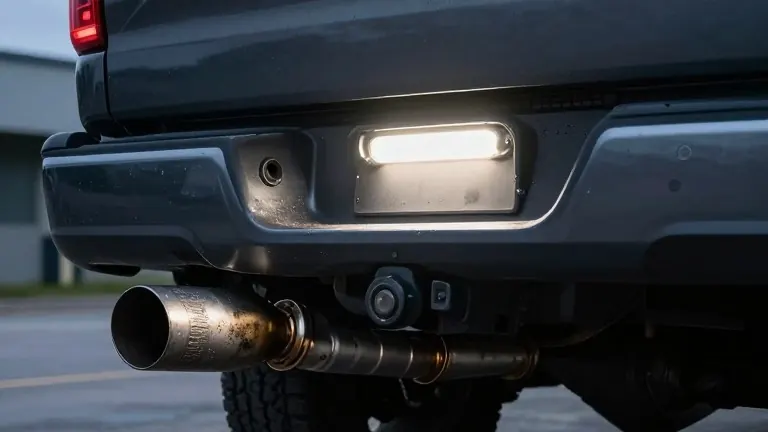
The federal government has stopped bringing criminal charges in most cases of emissions tampering on diesel trucks as of October 2026. This shift in enforcement strategy has led many owners of Chevy and GMC Duramax vehicles to believe that removing emissions equipment from road-going trucks is now legal. It is not. The Clean Air Act still prohibits tampering with emissions controls on any vehicle registered for public roads.
A delete kit consists of hardware and engine software that bypasses or removes specific emissions systems. On modern Duramax engines, these systems typically include a diesel particulate filter, an exhaust gas recirculation system, and selective catalytic reduction. The latter uses diesel exhaust fluid to cut nitrogen oxide emissions. Parts catalogs often list these kits for off-road or competition use only. That label distinguishes legal use from illegal use when the truck is driven on public streets.
The change in 2026 involves the Justice Department reducing its focus on criminal prosecution. This does not change the underlying law. Federal authorities have stated they will still pursue civil enforcement when appropriate. State inspection programs also continue to apply. Many states, including New York, run regular vehicle inspections where trucks with missing equipment or disabled diagnostics may fail.
Owners who delete emissions systems on road vehicles face several practical risks. Civil penalties from federal authorities remain a possibility. Registration and insurance issues can arise, particularly after an accident or when filing claims. Tampering usually voids the emissions warranty and can affect coverage for related engine components. Dealers in many markets will not accept deleted trucks for trade-ins, and resale values can drop in states with strict inspection rules.
The desire to delete emissions systems stems from genuine maintenance frustrations. Common complaints include diesel exhaust fluid faults that trigger warning lights, clogged particulate filters on trucks that mostly do short trips, and EGR cooler problems caused by soot. Expensive sensors can fail and cause cascading warning codes. These issues are real, but they do not make the equipment illegal to keep. They indicate that maintenance habits and part quality matter.
Drivers who want to improve reliability without legal risk have several compliant options. Taking longer highway trips allows the particulate filter to regenerate and clean itself. Using quality diesel exhaust fluid and storing it properly prevents system faults. Replacing sensors with durable parts rather than the cheapest options reduces the likelihood of cascading failures. Keeping the fuel system clean with regular filter changes also helps. Addressing warning codes quickly prevents small issues from becoming major repairs.
For Westchester County drivers who commute into New York City or travel across state lines, these practical considerations are just as important as federal enforcement. A modified truck can complicate insurance claims and liability determinations. Returning a truck to compliance often requires buying expensive original equipment again. The cost of fixing the problem later can exceed the savings from the initial delete.
The 2026 enforcement changes provide more breathing room than in previous years, but they do not create a legal gray area. Deleted road trucks remain prohibited under federal law. States continue to enforce their own inspection and registration requirements. Enforcement priorities can shift with future administrations, meaning a policy change today may reverse tomorrow.
Owners should understand which emissions systems their specific truck uses before making changes. Keeping detailed service records and consulting a qualified diesel technician helps ensure the vehicle remains both reliable and legal. Monitoring updates from the Environmental Protection Agency and state motor vehicle agencies is also wise, as rules may continue to evolve.
Source: Yonkers Times
More Business · Bad Service · Report a business · Got a Story?