Hurricane forecasts increasingly rely on AI models
An AI model outperformed traditional forecasts in tracking Hurricane Isaias, showing rapid advancements in the field.
By Hugo Khalil ·
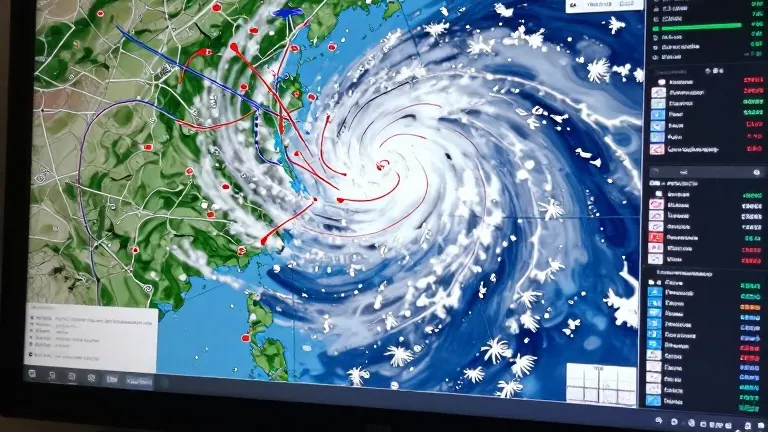
An AI model outperformed traditional forecasts in tracking Hurricane Isaias, showing rapid advancements in the field. Hurricane Isaias made landfall near Destin, Fla., as a Category 2 storm, but conventional models predicted it would head further west. Google DeepMind's AI model correctly predicted the hurricane would hit the western Florida Panhandle.
Hurricane forecasters are increasingly using artificial intelligence to make predictions, and the technology is rapidly transforming the field. Michael Lowry, a meteorologist and hurricane expert, says Google DeepMind has become the gold standard model in recent years. Brian McNoldy, a hurricane researcher for the University of Miami, says the model has been the best performing computer model they've ever seen.
The National Hurricane Center started using the Google DeepMind model in its forecasts last year, and by the end of the 2025 season, it was already one of the best at predicting a storm's path and strength. Traditional physics-based models use real-time atmospheric data and complicated equations to make predictions, while AI models rely more on history. AI models analyze thousands of past storms along with atmospheric data to identify patterns.
Michael Lowry says AI models don't know anything about the atmosphere other than the current picture. They don't rely on the governing equations of the atmosphere, the physics, to make predictions. Most of the people designing and developing these models are not meteorologists, but software engineers who develop neural networks.
A 'neural network' is a set of computer algorithms modeled on the human brain and trained to find patterns in massive amounts of data. As a result, the models can seem like a 'black box,' and it can be unsettling for meteorologists to depend on a system they don't totally understand, especially during storms when millions of people might be relying on their forecasts.
The NHC provides updates every six hours during active hurricanes. The models by themselves can sometimes show drastic changes from one update to the next. Forecasters have to translate those shifting predictions into clear guidance that people can act on. The National Hurricane Center uses several proven models when putting together their official forecasts.
Every storm has different forecast challenges, and that's why they take that consensus approach and use that blend of the best models. The future of forecasting has always been changing, and it's never just one thing that's driving those improvements. Errors are about half of what they were at the time of Hurricane Katrina, in terms of intensity forecasting.
The exciting thing about AI is how quickly it's improving. AI updates take only months or even weeks, unlike traditional models, which are updated annually at best. Michael Lowry says he's not worried about artificial intelligence replacing people. He thinks it is a boon for their business.
Source: NPR