JHU Supply Store Cuts Drive Lab Costs and Logistics Burdens
Graduate researchers say the shift forces them to manage bulk purchasing and storage, raising monthly expenses by thousands of dollars.
By Hugo Khalil ·
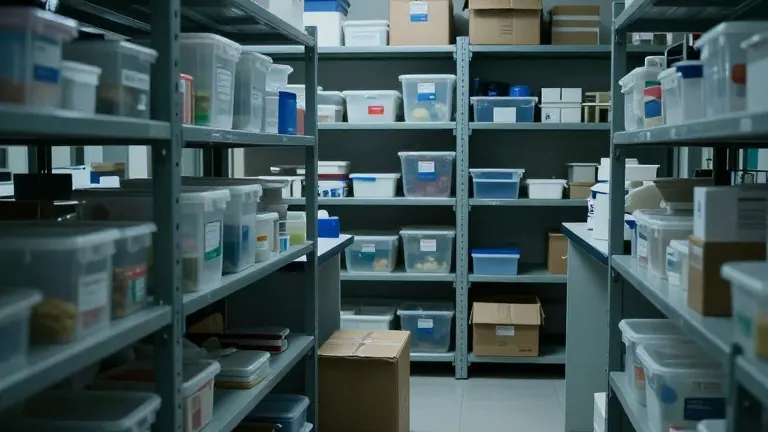
The Johns Hopkins University ended centralized supply distribution for many laboratories on October 1, a move that graduate researchers say has increased operational costs and shifted logistical burdens onto departmental staff. The change affects the Procurement-managed Supply Stores in Mudd Hall and the Pre-Clinical Teaching Building on the Homewood and East Baltimore campuses. Previously, these stores purchased items like gloves, labeling tape, and cellular media at institutional prices, eliminating the need for individual researchers to place separate orders.
A university spokesperson attributed the reduction to shifts in purchasing patterns. The new operating model preserves access only to items requiring specialized handling or regulatory support, such as ethanol and biohazard bags. The spokesperson noted that communication with divisions began in early August and that the university is working with the Teachers and Researchers United (TRU-UE) union to address work-related concerns.
Researchers argue the transition has outpaced practical preparations. Marie, a sixth-year doctoral student in Biology, stated that the university announced the inventory reduction in August, yet supplies began dwindling throughout September before the official deadline. Sneha, a sixth-year doctoral student in the Biology program, pointed out that administrative offices lack the storage infrastructure previously used by the Supply Stores. This gap risks the degradation of temperature-sensitive reagents that departmental staff must now receive and manage.
Joanna, a sixth-year chemistry doctoral student, estimated that her department’s internal stockroom covers only about 75% of the supplies previously available through the Homewood Supply Store. Consequently, laboratories must now order directly from vendors, a process she said increases lead times and places additional strain on budget specialists and stockroom workers. Kelly Chen, a second-year chemistry doctoral student, confirmed that nearly every lab in the department relies on these stores for solvents and protective equipment. She added that undergraduate laboratory courses are also affected, extending the impact beyond graduate research.
Many researchers believe the extra costs for basic supplies will range in the thousands of dollars per month. They are exploring alternatives such as the university’s Core Store and direct orders from suppliers like ThermoFisher, Millipore, and Genesee Scientific. A petition demanding more transparency and calling attention to the changes has gathered more than 200 signatures from faculty, staff, and students. The university responded to the petition on October 16, confirming its intent to act shortly. Administrators and researchers have not yet held a formal meeting to discuss the changes.
The university maintains that the transition allows researchers to compare suppliers and access a wider range of products. Joanna noted that her department is working to stock additional materials, but the centralized model provided a level of efficiency that is difficult to replicate. The new operating model remains in effect, with researchers continuing to manage their own procurement and storage needs.
Source: The Johns Hopkins News-Letter