New Tesla Screen Reveals Cockpit Tech
A short video offers a clear look at the next generation Roadster's digital dashboard and control system.
By Hugo Khalil ·
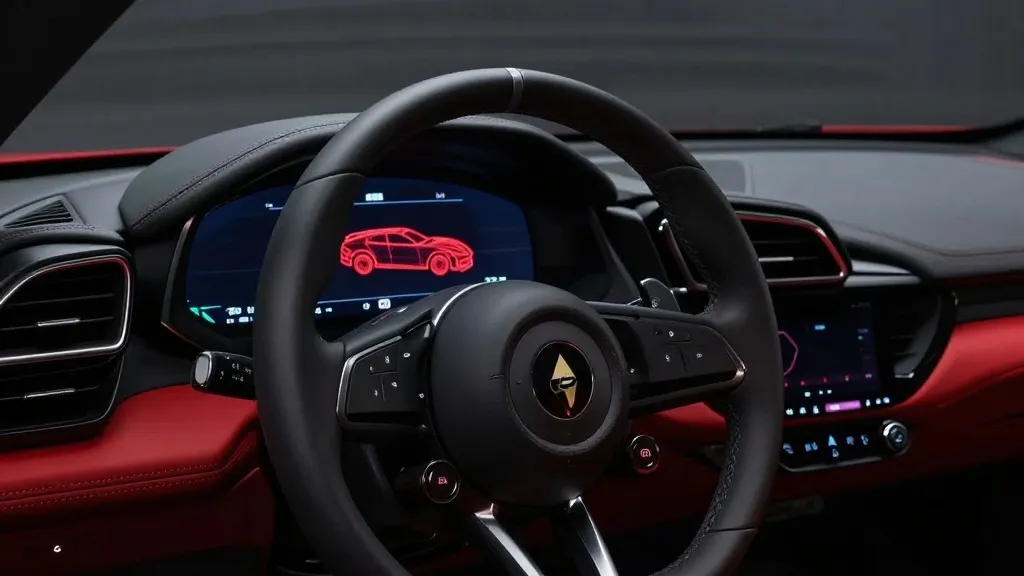
Car enthusiasts can now see exactly how the new Tesla Roadster cockpit will operate. On Friday afternoon, the company shared a short video on X. The clip runs for thirty-four seconds. It guides viewers through the touchscreen experience. The accompanying text explains the design goals. The team looked to fighter jets for inspiration. They wanted the layout to serve the pilot first.
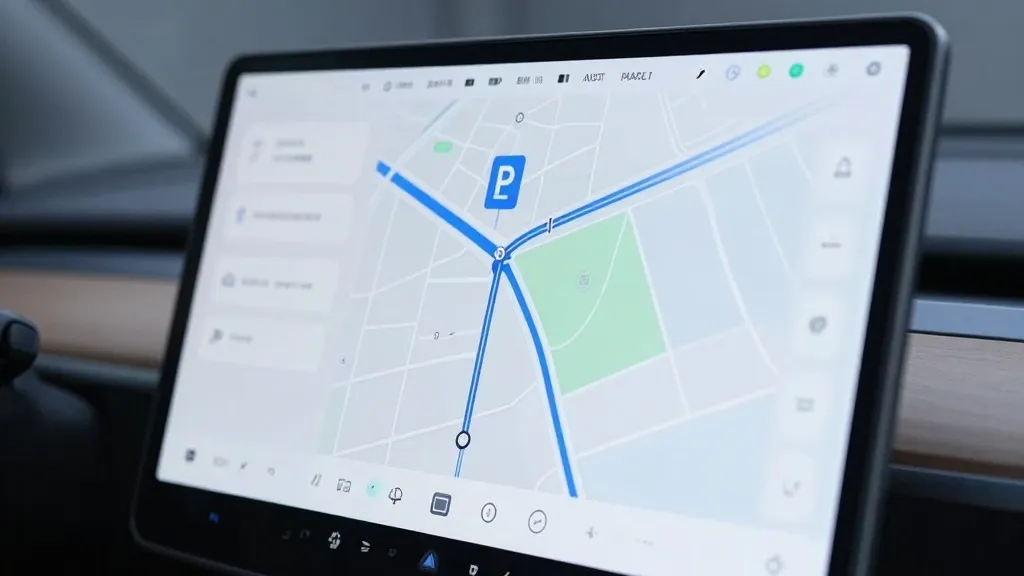
The demonstration starts with a black screen. Red graphics appear alongside a 3D wireframe of the vehicle. This digital model sits next to the car's squared off yoke. Tapping specific parts of the model opens different controls. Users can adjust the rear wing settings. Options include low drag and high downforce positions. The system also features a charging page. A charge limit bar and a compact music player are available. Navigation tabs at the bottom of the screen allow quick access to Home, Vehicle, Listen, Climate, and Navigate functions.
Much of the footage highlights the Track Mode feature. The dashboard displays a live map of the circuit. A list of session lap times is also visible. Real time data for brake and motor temperatures appears on screen. Drivers can see pressure and temperature readouts for each individual tire. The setup page offers several aero modes. These include Auto, Low Drag, High Downforce, and Custom. Users can also fine tune the aero balance and brake balance. It is possible to switch off stability and traction control entirely.
A status bar at the bottom of the Track Mode screen shows Thruster 5,500 PSI. It also displays a Boost Ready indicator. This software feature links directly to the hardware shown near Waco, Texas, on October 15. The Thrust and Rocket versions use cold gas thrusters. These are supplied by carbon overwrapped pressure vessels. Previous breakdowns of the three configurations provide specific performance data. The Thrust and Rocket models achieve 0 to 60 mph times under 0.9 and 0.59 seconds respectively. The base Performance model uses a fan and ground sealing system for grip.
The interface represents a shift from Tesla's other current cars. The home page does not center on a map. Instead, it places a model of the car itself in the middle. The official page lists two smaller forward displays that accompany the main screen. The company has not clarified if Track Mode telemetry will appear in other models. Features like the Model 3 Performance might not get these specific tools. The software may change before deliveries begin.
Elon Musk stated at a recent event that production starts in 2028. The flagship Rocket version is not yet approved for public roads. Reservations are open with a payment of fifty thousand dollars. The Thrust model is listed as a limited release. The Rocket version is available on an invite only basis. The public can view the car in person this weekend. It will be displayed in the lobby of the Petersen Automotive Museum in Los Angeles from October 24 to 27. Sawyer Merritt noted this is the first time the general public can see the car up close.
This release provides a rare look at the technology. It connects the digital interface to the physical hardware. The focus on pilot centered design is clear. The details on tire data and thruster status are specific. The timeline for production remains set for 2028. The upcoming museum display offers a chance to verify these features. The gap between the digital demo and the physical car will be tested by early viewers. The company continues to build hype for this flagship vehicle. The specific performance claims stand out against current electric cars. The invitation only nature of the top trim adds exclusivity to the launch.
Source: Teslarati