Rubio Invites Cuba to Partner with the CIA as Trump Revisits Warship Plans
The US Secretary of State encouraged island residents to seize a new moment for political change while the President suggested military vessels could play a role in future negotiations.
By Hugo Khalil ·

US Secretary of State Marco Rubio declared that the moment has arrived for Cubans who desire political transformation to take action. In a direct address to the island's population, he framed the current landscape as a rare opportunity for those seeking to improve their nation's trajectory. This public call to action arrived just hours after President Donald Trump reintroduced the concept of American naval forces intervening in Cuban affairs. The President made these remarks during a campaign rally in south Florida, linking the potential military presence to the return journey from the ongoing conflict in Iran.
Rubio’s social media message targeted individuals seeking positive change. He highlighted the widespread frustration with unfulfilled promises, systemic corruption, and the disparity between the privileged few and the general populace. The core of his proposal involved forming what he described as a discrete partnership with the Central Intelligence Agency. While Rubio likely intended the word discreet to imply secrecy, the spelling in his post suggested he meant separate. His personal connection to the island is significant, as both of his parents emigrated to the United States before the socialist revolution took hold.
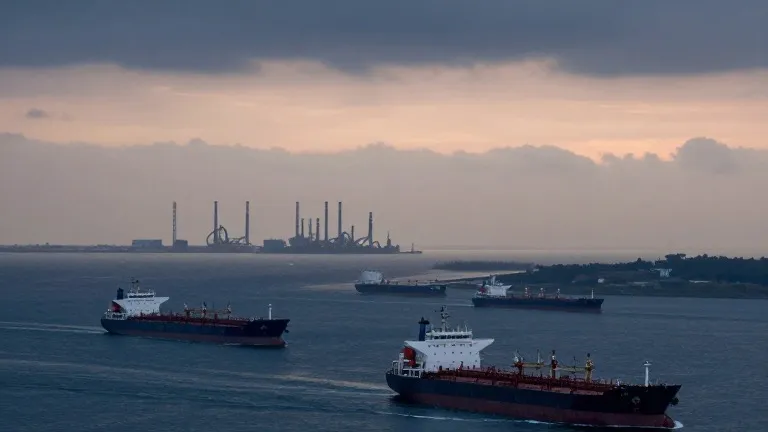
The President’s comments on naval intervention were not new, but their timing is notable. He first proposed the idea earlier in the year but had remained silent on the subject for several months. At the rally, a voice from the crowd asked about Cuba, prompting Trump to elaborate. He envisioned warships making a brief stopover on their way home from Iran. According to his account, one ship would halt approximately 50 yards off the coast, where officials would raise their hands in a gesture. He then predicted that Rubio would be sent in to finalize the deal.
Havana responded with sharp criticism to these assertions. On Friday, Cuban Deputy Foreign Minister Carlos Fernandez de Cossio used social media to mock the American stance. He characterized the move as a public recruitment drive for the CIA, suggesting that the agency must be in a state of desperation. Fernandez de Cossio compared the effort to selling a tube of toothpaste, implying a lack of prestige in the approach. This exchange highlights the ongoing tension between the two governments, which have clashed at the United Nations regarding the annual vote on the US economic embargo.
The administration has maintained a firm posture toward Havana in recent months. Trump has previously hinted that Cuba could be the next target for intervention after the Iran war concludes. This threat gained weight in May when the US announced criminal charges against former leader Raul Castro. In the Oval Office, Trump suggested that he would be the president to execute this long-considered move. Rubio has also framed Cuba as a persistent national security risk due to its alliances with US adversaries. Although the administration seeks a peaceful resolution, Rubio expressed doubt that the current government is capable of achieving it.
Rubio had been relatively quiet on the issue for several weeks prior to this week. In a September interview, he described the island as having already fallen, citing a non functional economy and a revolution that he argued had been inactive for two decades. He expressed hope for a different path forward but did not mention the intelligence agency at that time. Diplomatic efforts have been mixed, with recent meetings failing to impress the US side, leading to additional sanctions. Trump had recently claimed that Rubio was deeply involved in negotiations and that a deal was likely without military force. However, the island continues to suffer from an economic and energy crisis that began in 2020, affecting its ten million residents through blackouts, shortages, and high inflation.
Source: The Guardian