Runner Uses Meta Glasses to Cut Accident Recording Time to Under One Second
The switch from phone to wearable cameras reduced the capture delay from minutes to milliseconds, creating a new standard for personal road safety data.
By Hugo Khalil ·
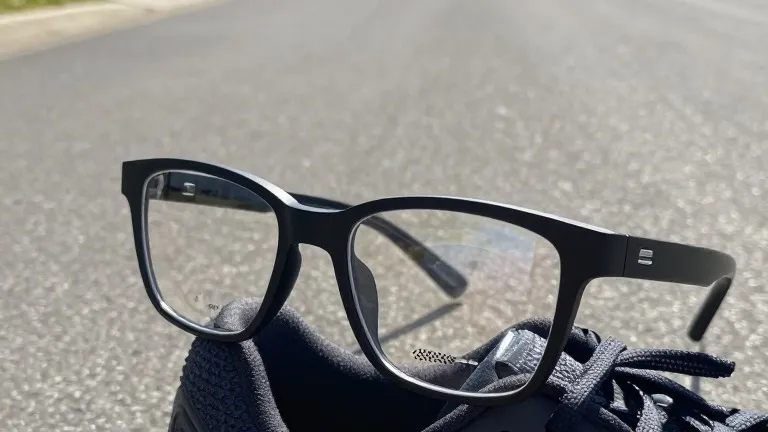
The conflict over who pays for a pedestrian accident often turns on the quality of the evidence. For one runner, the solution was not a new device, but a faster way to use existing hardware. Nick, a writer for 9to5Google, has begun using Meta smart glasses as a personal dashcam. The system allows for video capture in under one second, a speed that standard mobile devices cannot match.
The move addresses a specific gap in the market for active commuters. Holding a phone while running is impractical, and armband holsters do not allow for quick retrieval during an incident. By keeping the camera on their face, Nick eliminated the latency between an event and its documentation. This approach transforms a consumer wearable into a liability tool, shifting the cost of safety from specialized gear to accessories already in the daily rotation.
The operational model relies on manual triggers rather than automated sensors. Nick wears a Meta Nova pair or an Oakley Meta HSTN pair during runs. When a vehicle approaches, they hold a camera button to start recording. The process ends with a second press to stop. This manual control ensures that the footage captures the specific moment of interaction with the vehicle, rather than a continuous loop that might miss the critical second.
The technology’s architecture supports this workflow without friction. The glasses record in three-minute segments, which prevents the file from ending before a potential collision occurs. Footage remains on the device until it reconnects to a smartphone, where it syncs automatically. Nick notes that the setup requires minimal changes to their existing routine, which already included capturing short clips for Strava with health statistics overlaid.
From a product strategy perspective, the camera feature is moving from a novelty to a core utility for the runner demographic. Nick stated that if purchasing a new pair today, they would be unlikely to choose a model without a camera. While some consumers express skepticism about facial cameras, the practical benefit of instant evidence is driving adoption among those who spend time on roads. The feature is no longer just for social media; it is a risk management asset.
For buyers entering the market, the choice depends on fit and budget. Nick recommends the Oakley Meta HSTN for its secure fit and athletic design. For those seeking a lower price point, the unbranded Meta models offer identical functionality without the premium cost. Those who wish to avoid the Meta ecosystem can look to Rokid AI Glasses, which Nick identified as the best alternative available for this specific use case.
Source: 9to5Google
More Business · Tech news · Bad Service · Report a business · Got a Story?