Syrian Protesters Demand Answers After Deadly Incursion in the South
Thousands marched across Syria on Friday to protest Israeli military actions that left a disabled man dead and raised fresh concerns about national sovereignty.
By Sergio Morris ·
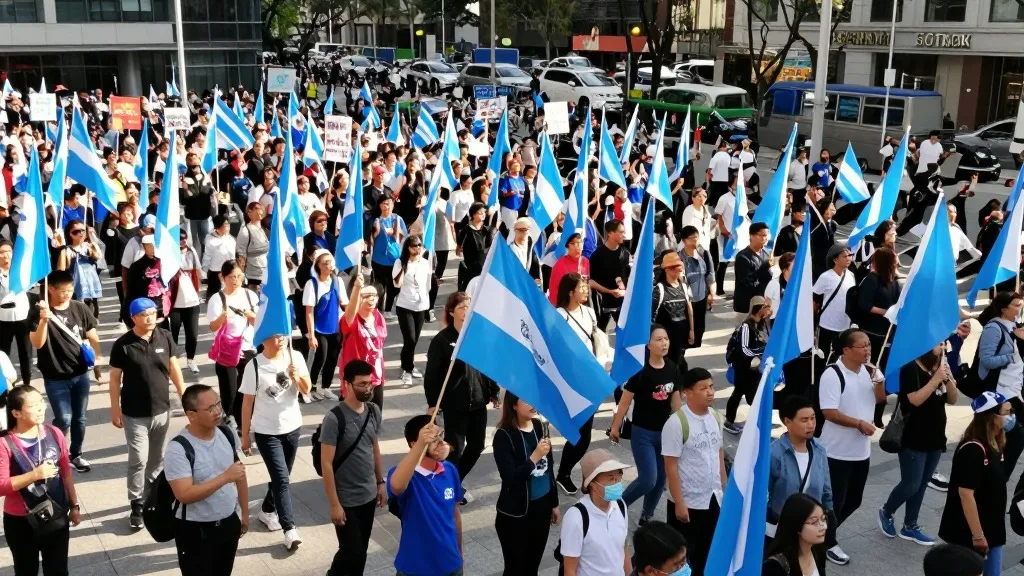
A man with a disability was killed by Israeli fire earlier this week, a loss that has ignited widespread outrage and led to mass rallies across Syria on Friday. The incident has become a rallying point for citizens in the capital and central regions who are demanding clarity and protection from repeated military incursions in the southern provinces.
State media reported that large crowds gathered in Damascus and Homs to voice their frustration. The demonstrations focused heavily on the southern areas of Quneitra and Daraa, where Israeli military activity has been most intense. For many working families in these regions, the conflict is no longer a distant event but a daily reality that affects their safety and livelihoods.
In the city of Daraa, an AFP correspondent noted that hundreds of people attended a protest, with many waving Syrian flags to show unity. One protester, Taysir al-Hariri, explained that the goal was to send a clear message to the world. He stated that Syria stands united against Israeli incursions and against anyone who is tempted to tamper with national security. This sentiment reflects a broader desire to assert sovereignty in the face of external military presence.
Footage from state television highlighted the emotional weight of the recent death. Marchers carried posters with the slogan "We are all Moaz." This phrase refers to the man with special needs who was killed during a recent incursion in Daraa province. By adopting his name, the crowd symbolically embraced his loss as a collective one, emphasizing that the impact of these military actions falls on ordinary citizens, including those with disabilities who are often more vulnerable in such conflicts.
The protests also included calls for the release of individuals detained by Israeli forces. Outside a United Nations building in Damascus, the family of a Syrian man seized by Israel held a demonstration. Their children held up posters that read "I want my dad," a poignant reminder of the human cost behind the geopolitical maneuvering. For many families, the uncertainty of detention adds another layer of stress to an already difficult situation.
Military operations have continued alongside the protests. State media reported that Israeli forces advanced into parts of Quneitra province on Friday, blocking several key roads. In these areas, troops have bulldozed olive groves, established new checkpoints, and detained local residents. The destruction of olive groves is particularly significant for local communities, as these trees often represent a primary source of income and a vital part of the regional ecosystem.
These actions are part of a broader pattern of military activity since Syria's new government took power. Following the ousting of longtime ruler Bashar al-Assad in December 2024, the Israeli military has carried out hundreds of strikes within Syrian territory. Frequent incursions have become a common occurrence, disrupting daily life and creating a persistent sense of insecurity for residents in the border regions.
The situation has also seen a shift in the physical landscape of the border. Israeli troops have moved into a UN-patrolled buffer zone. This area had served as a separation between Israeli and Syrian forces on the Golan Heights since 1974. Its current use by Israeli military units marks a significant departure from the long-standing status quo that had been in place for decades.
Israel has stated that it intends to maintain a presence in a so-called security zone in southern Syria. The goal is to create a broader demilitarized area that it believes will enhance its security posture. However, for many Syrians, especially those in the affected provinces, this expansion raises questions about how much control Israel will retain over their land and lives in the coming months.
As the rallies continue, the focus remains on the immediate human toll. The death of Moaz and the detention of other citizens have turned abstract political disputes into very personal losses. For the residents of Daraa and Quneitra, the next few days will likely be defined by continued protests and negotiations as they seek to balance the need for security with the right to live in peace on their own soil.
Source: Middle East Eye