The $399 Price Tag for 5GB of Music Storage 25 Years Ago
In October 2001, Apple sold a portable device with 1,000 songs of storage for a sum that represented a major portion of a month's rent for many Americans.
By Sergio Morris ·
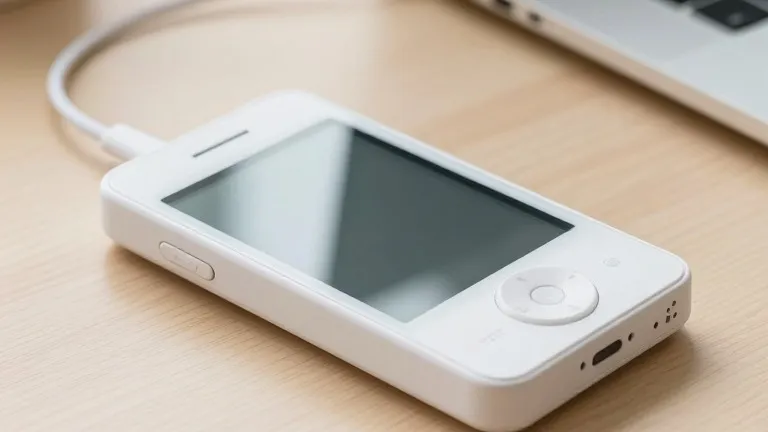
A 5GB digital music library cost $399 on October 23, 2001. That price tag attached to the first iPod, a product Apple chief executive Steve Jobs introduced to a crowd that day. The device held approximately 1,000 pop songs encoded as MP3s at 160Kbps. For many consumers, that capacity represented their entire personal music collection.
The launch occurred during a period of financial recovery for Apple. Jobs had recently guided the company past its beige-box era into the Mac OS X market. iBooks and iMacs were selling well despite the recent burst of the dot-com bubble. Jobs predicted the Mac would serve as the center of a user's digital lifestyle, acting as a hub for cameras, camcorders, and portable players.
Jobs targeted the music market because no single company had dominated the sector. He noted that competitors such as Creative, Sonic Blue, and Sony sold portable players. However, he stated that none had found the right recipe for digital music. At the time, the market was divided into CD players, MP3 CD players, flash players, and hard-disk jukebox players. Jobs identified the last category as the most viable entry point.
The first iPod functioned as an MP3 player with CD-quality sound. It supported MP3, WAV, and AIFF file formats. The hardware relied on a new 1.8-inch hard drive from Toshiba. The drive was 0.2 inches thick, allowing the device to measure 2.4 by 4 by 0.78 inches. The unit weighed 6.5 ounces, a weight Jobs described as lighter than most cell phones of that era.
Speed was a primary selling point. The device connected via a single FireWire 400 cable for both power and data transfer. Jobs claimed FireWire could move an entire CD onto the player in five to 10 seconds. By comparison, USB connections of the day took roughly five minutes. Transferring 1,000 songs took about 10 minutes over FireWire, whereas USB required five hours. The device included a rechargeable lithium-polymer battery that provided 10 hours of continuous playback. Apple stated an empty battery could reach 80% charge in one hour.
Design focused on minimalism and one-hand operation. The back and sides featured a durable, minimal aesthetic. Controls included an accelerated scroll wheel with a piezoelectric clicker for tactile feedback. This allowed users to browse by playlist, artist, or song. During the presentation, Jobs demonstrated the device by playing Sarah McLachlan's "Building a Mystery."
The product launched alongside iTunes 2. The new software added MP3 CD burning and synchronization capabilities. Libraries curated on a Mac would automatically match the iPod whenever the device connected. The iPod could also function as a FireWire hard drive for data storage.
The first iPhone arrived in early 2007, more than five years after the initial iPod launch. The two products coexisted in Apple's lineup for over a decade. The iPod line eventually faded as smartphones matured. Apple released the seventh-generation iPod Touch in May 2019. The company discontinued the line in May 2022 after three years of no new models.
Source: Tom's Hardware