The $399 Gadget That Put Your Entire Music Library in Your Pocket
Twenty-five years ago, a device the size of a playing card changed how people listened to music, leveraging fast data transfer and compact storage to beat the competition.
By Pavel Bell ·
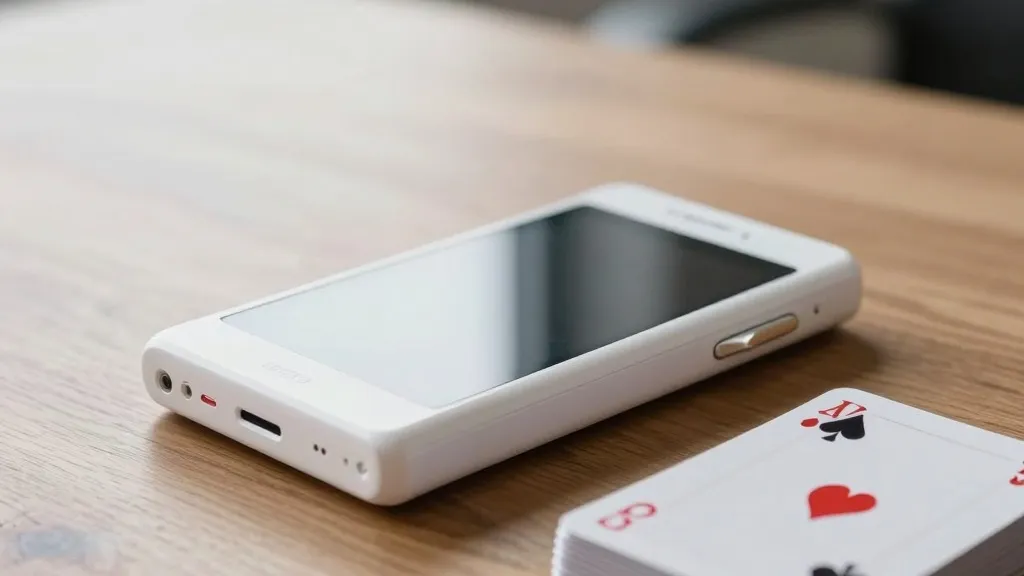
1,000. That was the number that defined the original Apple iPod when it was revealed on October 23, 2001. For a price of $399, the device promised to hold an entire music library in a package no larger than a deck of cards. At the time, this capacity was a staggering leap forward for portable audio, offering 5 gigabytes of storage that allowed users to carry their favorite tracks without the bulk of physical discs or the limitations of early flash memory.
The launch occurred at a pivotal moment for Apple, which had recently moved beyond its beige hardware era into the Mac OS X period. With iBooks and iMacs already established, the company was experiencing a revival in consumer fortunes shortly after the dot-com bubble burst. CEO Steve Jobs positioned the new device as a breakthrough digital product that was not a Mac, but rather a central hub for a digital lifestyle. He reasoned that music was a universal passion and a massive target market that lacked a definitive leader, making it the ideal entry point for Apple’s expansion into portable media.
While competitors like Sony, Creative, and Sonic Blue already offered portable players, Jobs argued that none had yet found the right formula. He identified hard disk-based jukebox players as the optimal choice for market entry, distinguishing them from CD players, MP3 CD players, and flash-based options. The resulting device played MP3, WAV, and AIFF formats with CD-quality sound. The 5GB capacity specifically accommodated 1,000 typical pop songs encoded at 160Kbps, a volume Jobs described as the entire library for most users.
The physical design of the player was a major selling point, enabled by a 1.8-inch hard drive from Toshiba that was just 0.2 inches thick. The final product measured 2.4 by 4 by 0.78 inches and weighed 6.5 ounces, making it lighter than most cell phones of the era. Despite its small footprint, the device included advanced features such as 20-minute skip protection. It also introduced a single FireWire 400 cable for both charging and data transfer, a technology that allowed a full CD of music to be transferred in five to 10 seconds, compared to the roughly five minutes required by USB connections of that time.
Powering the device was a rechargeable lithium-polymer battery capable of 10 hours of continuous playback, which could be recharged to 80% in an hour. The interface featured a scroll wheel with piezoelectric tactile feedback, designed for one-handed use to quickly navigate playlists and artists. During the initial demonstration, the first track played was 'Building a Mystery' by Sarah MacLachlan. The launch was also accompanied by iTunes 2, which included Auto-Sync functionality to keep the player's library aligned with the user's Mac.
The iPod's dominance was short-lived relative to its cultural impact. The first iPhone arrived in early 2007, more than five years after the iPod's debut, and the two devices coexisted for over a decade. As smartphones matured, the need for a dedicated music player diminished. The product line continued with the 7th-generation iPod Touch in May 2019, though the line was left unmaintained until its official discontinuation in May 2022.
Looking back, the original iPod represented a strategic shift in how consumers interacted with digital media. By combining compact storage, fast transfer speeds, and intuitive design, Apple created a standard for portable entertainment. While the technology has since evolved, the initial release remains a benchmark for how a simple gadget can reshape an industry and define a generation of music listening.
Source: Tom's Hardware · original report published