Weekly refills cost families $144 more as Treasury trims growth hopes
Treasurer Jim Chalmers confirmed that officials are lowering economic projections due to rising oil prices and global conflicts.
By Hugo Khalil ·
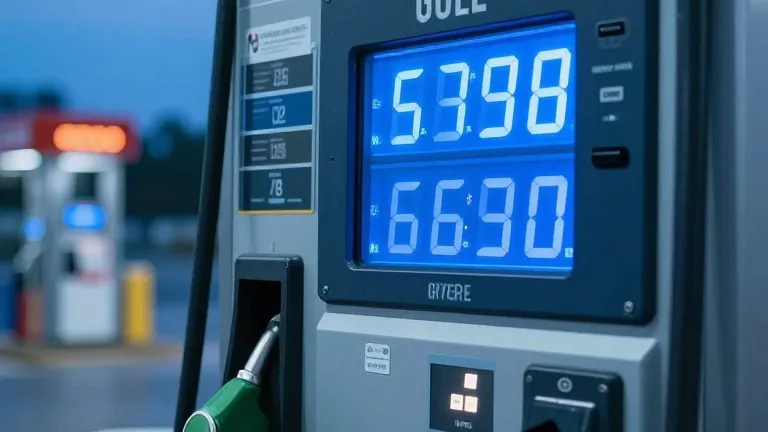
Australian households face a monthly fuel cost increase of $144, a figure that has forced the federal government to lower its economic expectations. This surge in expenses comes as global oil prices hit US$113 per barrel, a level that is nearing the peak seen in April.
Treasurer Jim Chalmers acknowledged on Friday that Treasury officials are adjusting their forecasts downward. The changes will appear in the December mid-year budget update. The revised projections include slower economic growth and higher unemployment rates. Chalmers previously suggested the economy would improve slightly within a year, but the current data contradicts that earlier optimism.
The primary driver of this shift is the widening conflict in the Middle East. Since the United States and Israel attacked Iran, the cost of fuel has risen by 60 cents per litre. For a vehicle with a 60-litre tank, this adds $36 to the cost of a full fill-up. A family that refuels every week now pays $144 more per month than they did in February.
Analysts warn that the situation could deteriorate further. Reports indicate that Washington and Jerusalem are planning to resume attacks after the upcoming US midterm elections. Westpac analysts outlined a scenario where oil prices could reach US$150 per barrel. The International Monetary Fund issued similar warnings earlier this month. Such a spike would impact inflation and interest rates, particularly as a fifth rate rise is possible on 3 November.
Global markets are also showing signs of stress. Investors are concerned about the high levels of debt among companies building artificial intelligence infrastructure. This anxiety contributed to a sharp sell-off on Wall Street. While community opposition to new data centres may slow the construction rush, the short term remains volatile. The Reserve Bank's Andrew Hauser described the current mix of high inflation and low growth as a central banker's nightmare.
Chalmers stated that the government has limited options to ease the burden on voters. He noted that external factors, such as wars in the Middle East and Eastern Europe, push up global inflation. The government could temporarily cut the fuel excise tax to lower petrol prices, but this would make it harder for the Reserve Bank to control inflation. Alternatively, the government could implement large spending cuts, which would assist the central bank but likely raise unemployment further.
Productivity growth in Australia is stagnant, which limits how much the economy can expand without causing higher inflation. Chalmers admitted that the pressures on people are substantial. He said the government is influenced by decisions made in Washington, Tehran, and Eastern Europe. These international factors are weighing on growth and keeping prices high for Australian consumers.
Source: The Guardian
More Business · World news · Bad Service · Report a business · Got a Story?