Zelenskyy sets November date for trilateral peace talks, rejects neutrality
The Ukrainian president confirmed a summit with the US and Russia while reporting nearly 2,300 drone attacks in the past week.
By Hugo Khalil ·

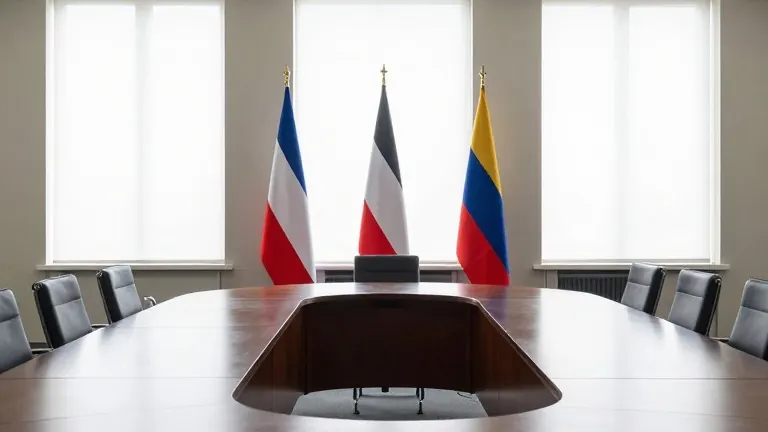
Ukraine will meet with the United States and Russia in November to restart stalled peace negotiations, President Volodymyr Zelenskyy announced on Sunday. The summit aims to address core disputes that have hindered previous diplomatic efforts. Zelenskyy stated that Ukraine is prepared to discuss territorial issues at the leadership level. He noted that other technical matters should be handled by working groups.
Kyiv has established firm boundaries for the upcoming discussions. Zelenskyy said Ukraine will not agree to limits on the size of its armed forces. The country will also reject enforced postwar neutrality. This stance maintains Ukraine's long-term goal of joining NATO. Some NATO members have shown hesitation about admitting Ukraine to the alliance.
The trilateral talks follow a recent diplomatic meeting in Oslo. Zelenskyy met with US special envoy Steve Witkoff there. Following the meeting, the US fully restored access to SpaceX’s Starshield satellite internet service for Ukraine. Zelenskyy reported that the system has been operating at speeds up to 420 kilometers per hour since early Saturday. The service had been slowed down earlier in October due to diplomatic pressure from Washington.
Washington has urged Kyiv to pause attacks on Russian oil refineries. The US argues that these strikes drive up global energy prices. Zelenskyy reiterated that Ukraine will only halt these operations under specific conditions. Moscow must stop targeting Ukrainian power infrastructure, or the US must allow Ukraine to use Starshield to track ballistic missile launches. Alternatively, the US must supply Ukraine with Patriot missiles.
The military situation remains intense as negotiations approach. Zelenskyy reported that Russia launched nearly 2,300 strike drones at Ukrainian cities over the past week. He also counted about 1,600 guided bombs and 48 missiles of various types. These missiles included ballistic variants. The Ukrainian president urged Western allies to accelerate the delivery of interceptor systems to his forces.
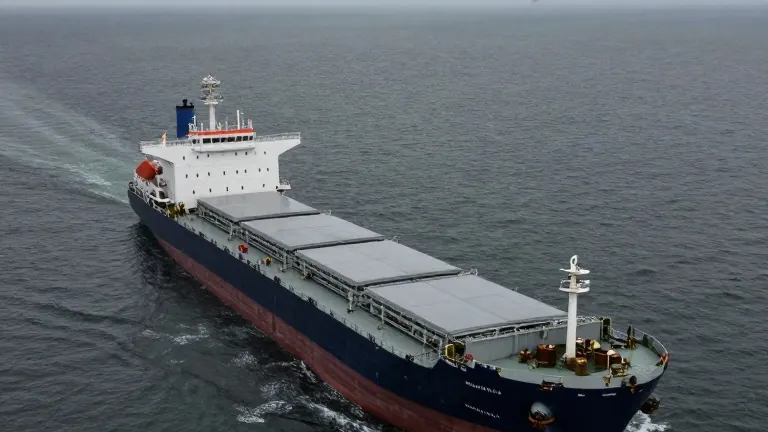
Russian forces continued their campaign against logistics and port infrastructure. The Russian defense ministry claimed its drones struck a cargo vessel heading for the Black Sea port of Chornomorsk. It reported that another vessel en route to Odesa was also hit during the day. The ministry stated that both ships were transporting supplies for the Ukrainian army. Overnight, Russian forces targeted a logistics center, a distribution hub, and a logistics terminal in the city of Kharkiv.
Ukrainian drones struck the Russian border city of Belgorod on Sunday. Local authorities said the overnight attack killed three people and injured 13. A separate drone strike later that day resulted in one additional death. Regional governor Alexander Shuvayev said the initial attack damaged 30 apartment buildings in the city.
Political developments in the region also intersect with the conflict. Bulgaria held a presidential election on Sunday. The result was inconclusive, requiring a runoff vote. Andrey Gyurov, the candidate for the pro-Western reformist opposition, will face incumbent Iliana Yotova. Yotova opposes military aid to Ukraine and favors dialogue with Russia. Gyurov has expressed strong support for Kyiv. The vote took place amid security concerns following drone attacks on ships in the Black Sea.
Source: The Guardian