Kyiv Urges Moscow to Shift Abu Dhabi Peace Talks to November 3
Ukraine seeks to accelerate trilateral negotiations by one week and secure a formal EU observer role as winter infrastructure risks mount.
By Pavel Bell ·
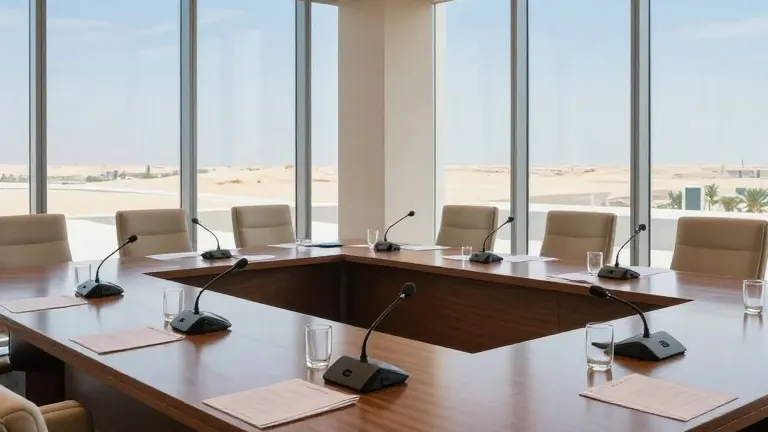
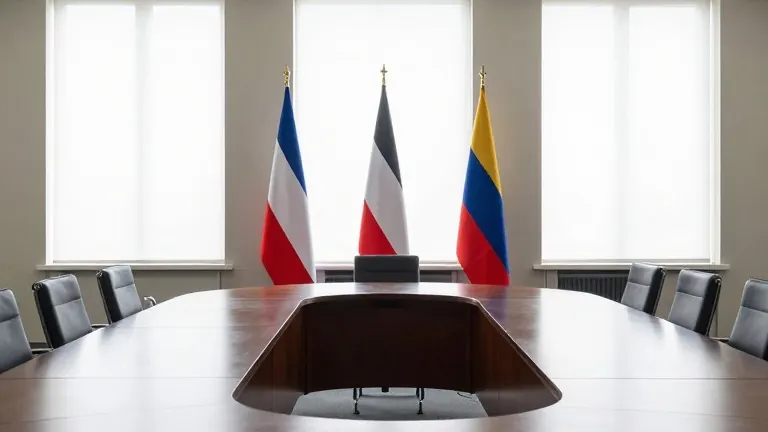
Ukrainian officials are pressing Russia to advance the start date of trilateral peace negotiations in Abu Dhabi by at least one week. The move aims to bring the first meeting forward from a tentative November 10 start to November 3, immediately following the United States congressional midterm elections. Kyiv also seeks to formally include an European Union representative in the proceedings, a step Moscow has previously resisted.
The urgency stems from deteriorating infrastructure conditions in Ukraine. A source within President Volodymyr Zelenskyy’s team noted that every week in December will be critical for a population lacking reliable power, water, or heating. As of the evening of October 25, Moscow had not confirmed acceptance of the earlier timeline. Ukrainian strategists do not expect a breakthrough at the initial session, anticipating that substantive agreements will require multiple rounds of discussion.
Negotiation dynamics are shifting as delegations undergo personnel changes. A member of Zelenskyy’s team who has participated in prior talks expects the first meeting to serve as an introduction for new team members. Substantive work is projected to begin at the second session, with potential decisions emerging by the third meeting. The Ukrainian side proposes focusing on the broader security architecture rather than immediate territorial disputes. They argue that defining how Ukraine will be protected and its relationship with NATO is more essential than determining the fate of specific villages at this stage.
Ukrainian diplomats maintain that US negotiators Jared Kushner and Steve Witkoff have already conveyed the concept of a new security model to Vladimir Putin, who reportedly agreed to the discussion. An EU representative has also begun to emerge in the form of Björn Seibert, head of cabinet for European Commission President Ursula von der Leyen. However, a source close to the negotiation team stated that European envoys currently operate in a signal-receiving mode without a mandate to make decisions, as no single designated representative has been appointed by the EU.
Davyd Arakhamiia, leader of the Servant of the People parliamentary faction, conveyed a specific benchmark to American counterparts. He stated that the final peace configuration must be acceptable to residents of Kharkiv and Dnipro. Arakhamiia argued that if inhabitants of these regions, who are next in line after Donbas, can agree to the formula, it would represent genuine progress. This approach contrasts with the Russian position, which sources indicate still believes Ukraine will be weakened by the coming winter.
Background context indicates that US government sources previously identified either Abu Dhabi or Switzerland as potential venues for the next round. Yuri Ushakov, an aide to the Russian leader, stated that Russia is ready to resume trilateral talks after November 4. Zelenskyy has publicly ruled out limits on the size of Ukraine’s Armed Forces or a neutral status in any final deal.
The upcoming session will test whether the delegations can bridge the gap between immediate tactical needs and long-term strategic security guarantees. The shift in timeline and the inclusion of European observers mark a distinct change from previous informal contacts.
The next scheduled step involves finalizing the agenda for the Abu Dhabi meeting. Both sides are currently coordinating on logistics and delegation lists to ensure the accelerated timeline is feasible for all participants.
Source: Ukrainska Pravda