Greece Blocks Social Media for Under-15s Starting Next Year
A new law forces platforms to verify ages and requires parents to use specific apps, with enforcement beginning in January 2027.
By Hugo Khalil ·
One million Greek children under the age of 15 will lose their social media access starting January 1, 2027. This is the date the new national law goes into effect. It is a significant shift in how the country manages digital life for its youth. The measure was signed into law by the parliament this week. It follows a proposal made by Prime Minister Kyriakos Mitsotakis earlier this year. He described the step as difficult but necessary for the nation's future.
The legislation targets major platforms like TikTok, Instagram, Facebook, and X. These services must now use reliable and proportionate methods to verify user ages. If they fail to comply, they face fines under the EU's Digital Services Act. This makes the law one of the first of its kind in the European Union. It sets a precedent that other member states may follow. The goal is to create a stricter barrier between young users and online content.
Dimitris Papastergiou, the minister for digital governance and AI, defended the move. He argued that waiting for a perfect European law was not an option. "Children are sinking into the internet every day," Papastergiou said. He emphasized that a responsible government must act. The minister stated that inaction was no longer viable. The government believes the current state of online access poses a growing risk to minors.
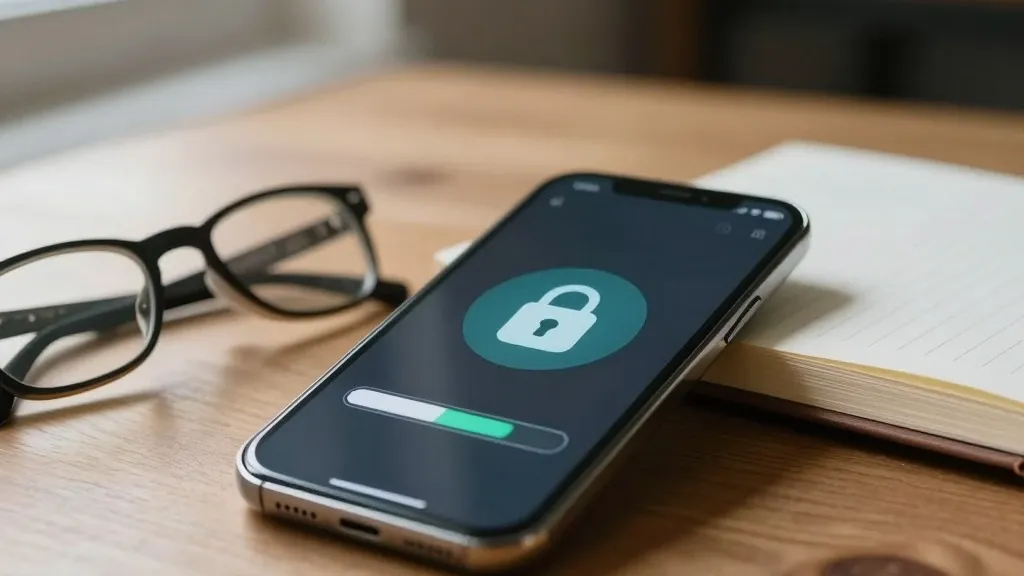
Parents will play a crucial role in enforcing the ban. They will be required to download state-backed apps called Kids Wallet or Gov.gr. These apps must be paired with their child's device. They function by blocking access to social media platforms for those under fifteen. Papastergiou explained that these tools are designed to protect privacy. They use "age tokens" to confirm a user's age. This method aims to minimize the amount of personal data disclosed during the verification process.
The path to passage was not without political friction. Minority parties in Greece opposed the bill. However, Prime Minister Mitsotakis used his majority in the government to push it through. This follows a 2024 decision to ban mobile phones in schools. The sequence of laws shows a clear trend toward restricting technology in educational and personal settings for children. The government sees these steps as interconnected parts of a broader strategy.
Public opinion appears to be on the side of the ban. Opinion polls indicate that the adult population in Greece widely supports the new rules. Many parents feel that the current digital landscape is overwhelming for their children. The government’s stance is that it is time to take control. Mitsotakis has stated that his aim is to push the European Union in the same direction. He hopes this national law will serve as a model for the continent.
At the European level, the Commission has introduced the EU Kids Act. This proposed law stipulates an outright ban only for children under the age of 13. This is younger than the threshold in the new Greek law. Australia was the first nation to enact a full social media ban for kids. However, the country has found age verification to be a challenging implementation task. Greece is now navigating these same technical hurdles as it prepares for the 2027 launch.
The stakes for tech companies are high. They must upgrade their systems to meet the new requirements. The use of age tokens represents a new approach to data privacy. It seeks to balance security with user anonymity. For families in New York and New Jersey, this development is a sign of a growing global trend. More governments are looking to regulate how young people interact with the internet. The coming months will show if this model works in practice.
Source: Engadget · original report published