Boarderie caps charcuterie service at 14 guests per board
Chefs and caterers advise hosts to calculate two to three ounces of meat and cheese per person for appetizers.
By Hugo Khalil ·
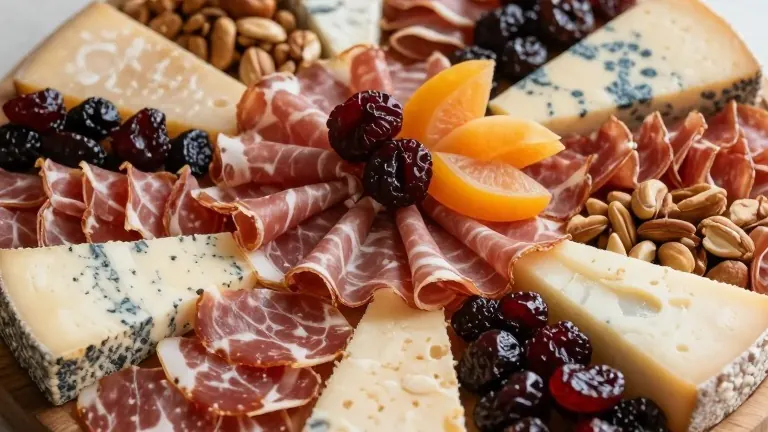
Boarderie serves up to 14 people with a single pre-assembled charcuterie board. The company offers the spread in three sizes, with the largest tier designed to cover that specific headcount. This capacity limit provides a concrete ceiling for hosts planning events where the board is the primary food offering. The pre-made option removes the need for manual assembly, shipping the fully arranged box directly to the customer's door.
Sarah Simms, co-founder of the cheese and charcuterie shop Lady & Larder, provides the specific portioning metrics for homemade spreads. She states that a host should prepare a minimum of two to three ounces of meat and cheese per person when the board serves as an appetizer. If the spread acts as the main course, Simms instructs hosts to double that amount. These figures allow planners to calculate the exact weight of ingredients needed for any given guest list.
Bethany Heitman, a commerce editor for NBC Selected, endorses the pre-made model for reducing labor during social events. Heitman notes that the boards from Boarderie ship quickly and arrive fully arranged. She describes them as a method to feed a crowd with minimal effort, eliminating the need for the host to source ingredients or arrange the items. The service has become a go-to solution for those seeking to maintain a polished presentation without the preparation time.
Emmy Rener, founder of Sophisticated Spreads, emphasizes the visual arrangement of the meats and cheeses. Rener suggests using salami rivers and prosciutto ribbons to create flowing patterns across the board. She recommends contrasting colors and textures, such as adding blackberries for height against red grapes. Rener explains that these visual choices help elevate the presentation and make the food more appealing to guests.
Serge Krikorian, owner of Vibrant Occasions Catering, advises hosts to prioritize quality over quantity. Krikorian encourages sourcing ingredients intentionally, which often means visiting local farmers markets to find seasonal produce. He notes that unique flavor combinations turn the board into a conversation piece, connecting guests through shared tastes. Krikorian emphasizes that the visual appeal is a critical part of the dining experience, stating that people eat with their eyes before their mouths.
The material of the serving surface affects both function and maintenance. Experts prefer wooden boards for their durability and the availability of side ridges that prevent spillage. Marble boards offer a colder surface that helps keep meats and cheeses fresh, though they can absorb colors from foods like beets if not cleaned properly. Zoe Malin, a reporter for NBC Selected, notes that marble boards do not absorb odors easily and sit on non-slip rubber feet for stability.
Hosts must distinguish between charcuterie and cheese boards based on the presence of prepared meats. Simms clarifies that a traditional charcuterie board must include charcuterie, a French term for prepared pork products like ham, sausage, and pâtés. If the spread lacks these meats, it is classified as a cheese board. This distinction helps hosts choose the correct terminology when planning menus or shopping for supplies.
Source: NBC News
More Business · Bad Service · Report a business · Got a Story?