Italy Confronts Cost-of-Living Anger With Military Presence in Milan
New demonstrations across eight cities test the balance between government security crackdowns and a movement driven largely by young people.
By Hugo Khalil ·
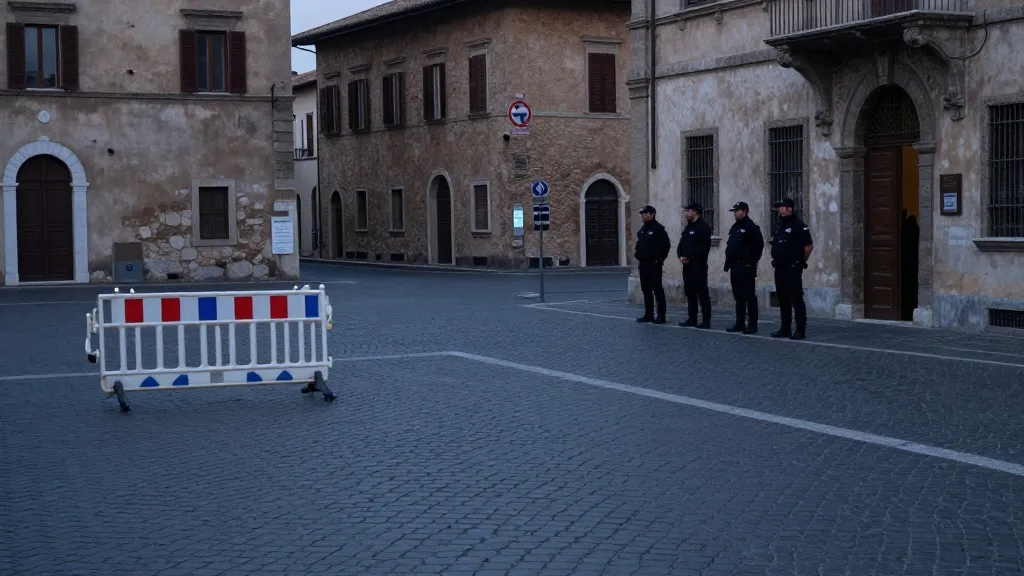
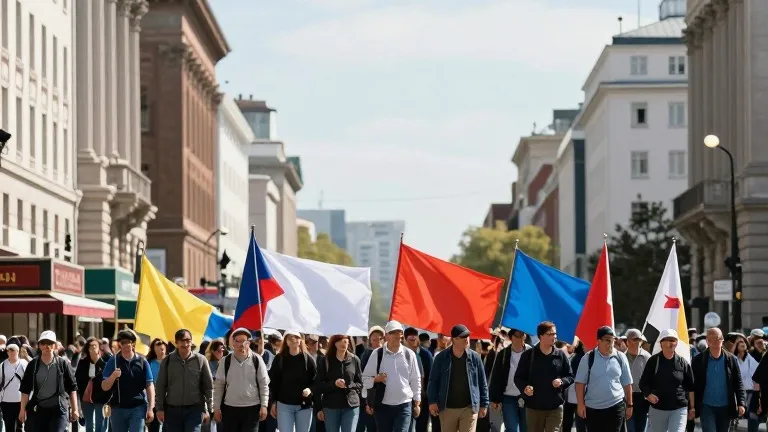
A tense standoff has emerged in Italy as the government braces for a new wave of demonstrations while simultaneously deploying military assets to its financial capital. The core tension lies between a right-wing administration seeking to restore order after recent unrest and a diverse coalition of protesters who view the current leadership as increasingly authoritarian. This dynamic places significant pressure on public institutions as they attempt to manage dissent without alienating the very populations they aim to represent.
The upcoming events, scheduled for Saturday, have been coordinated by a collective known as the October 17 Movement. This recently formed group, which includes student federations, grassroots labor unions, and antiwar coalitions, has emerged as the primary force behind the demonstrations. On social media, the movement expressed deep skepticism toward Prime Minister Giorgia Meloni's government, stating that they distrust its approach and view it as a threat to their future. The demonstrations are expected to take place in eight different cities across the country.
These protests come in the aftermath of a turbulent week in Milan, where a demonstration escalated into clashes with law enforcement and incidents of looting. In response, the government introduced a package of security measures, most notably the deployment of 500 soldiers to Milan. Police forces conducted raids and searches in multiple cities on Friday, targeting individuals suspected of participating in the recent disturbances. The intensity of the police response continued into Saturday morning, with officers executing an additional 150 searches in the Lombardy region.
Organizers of the new protests have emphasized a desire for peaceful dissent, though they have kept specific locations secret until the last minute to catch authorities off guard. Three meeting points are expected to be revealed on social media channels on Saturday afternoon. A participant identified as E noted on Thursday that the group wants to avoid giving police a reason to charge, while another member, Q, argued that the government fails to distinguish between violent and peaceful activists. According to police, they have located and are questioning the administrator of the movement's Instagram page, a 30-year-old freelance journalist of Italian-Moroccan descent who is under investigation for inciting crimes.
A significant portion of the individuals detained during the previous round of protests were minors. Out of 271 people detained, 220 were under the age of 18. Reports indicate that some of these young participants joined the protests after being unexpectedly added to online groups, where they were told they could acquire goods by raising chaos. This demographic shift has complicated the legal response, as authorities grapple with how to handle a large number of teenagers in the justice system.
Legal representatives have highlighted the often casual nature of some minors' involvement. Lawyer Michele D'Agostino, who is defending two demonstrators aged 21 and 15, explained that the younger client had discovered the protest through TikTok and joined a friend without fully understanding the context. The teenager was not identified as a looter but did not fully grasp the severity of the events unfolding around them. This case has become symbolic of how social media platforms have influenced youth mobilization.
The public prosecutor has attributed the recent unrest to social media, describing the resulting actions as insurrectional. In a broader policy response, Justice Minister Carlo Nordio stated that Italy needs to expand the capacity of its youth detention facilities to accommodate the high number of minor arrests. This statement underscores the government's intent to strengthen its institutional response to juvenile delinquency in the context of political protest.
The political unrest occurs alongside economic pressures affecting other sectors of the workforce. Earlier this week, truck drivers in southern Italy established roadblocks to protest rising fuel costs, which left several markets without essential supplies for days. In an effort to alleviate this strain, the government announced tax breaks and the creation of a special fund for farmers and fishermen on Thursday. These moves suggest that the administration is attempting to address multiple fronts of public dissatisfaction simultaneously.
Source: Al Jazeera