Midterm shift lets power players hide Epstein files from public eye
Lawmakers pause work on the Epstein Files Transparency Act II, leaving advocates to argue that economic pressures and election cycles are delaying accountability for survivors.
By Sergio Morris ·
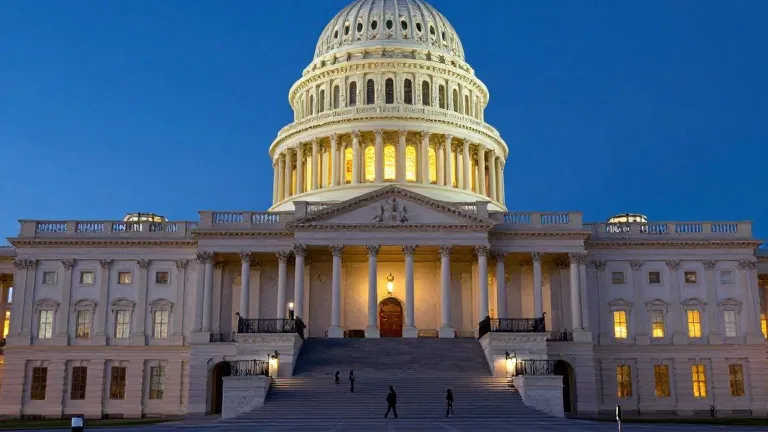
The proposed Epstein Files Transparency Act II faces a legislative pause as Congress enters its midterm recess, halting floor discussions on the bill before a vote can occur. The timing leaves a gap in legislative action just as national attention shifts toward economic concerns and the upcoming elections. This delay affects a law designed to address enforcement shortfalls in the current Epstein files disclosure statute.
Spencer Kuvin, a Goldlaw attorney who represents multiple survivors, warned that the break allows institutions to use the news cycle as an excuse to delay accountability. He argued that justice should not depend on public interest levels or the speed of world events. Kuvin urged the government to continue releasing documents he described as incomplete, while calling on Congress to maintain pressure for full transparency.
Jennifer Freeman of Marsh Law, who leads litigation against the U.S. government for alleged negligence in investigating Epstein, expressed disappointment at the shift in focus. Her firm is also pursuing a class action against Epstein's estate regarding child sex abuse images. Freeman maintained that the case will regain prominence soon, despite the current distraction caused by other political priorities.
Brittany Martinez, a Republican strategist and acting director of Principles First, characterized the dip in attention as temporary rather than permanent. She noted that voters prioritize daily costs such as gas prices and living expenses over scandal coverage. Martinez expects the issue to resurface in fits and starts rather than vanishing entirely from the political conversation.
Shawn Donahue, a political science professor at the University at Buffalo, linked the legislative stall directly to the congressional calendar. The absence of lawmakers on the floor prevents debate on the Transparency Act II, which advocates say lacks necessary enforcement mechanisms. Donahue predicted the issue would return quickly if Democrats win the House, as polls currently project, forcing immediate investigations and scrutiny of the Republican majority.
Julie Roginsky, co-founder of Lift Our Voices, connected the Epstein case to President Trump's declining approval ratings. She noted that some Republicans have broken with the President over the scandal. Roginsky predicted increased discussion about survivors and Epstein starting next year if Democrats secure control of at least one chamber of Congress.
Democratic lawmakers stated they will continue pushing for accountability regardless of the recess. Representative Teresa Leger Fernández of New Mexico acknowledged that voters will consider their finances, but emphasized that the President's friendship with Epstein remains a key issue. Representative Ayanna Pressley of Massachusetts said demands for answers would persist despite attempts to distract the public. Senator Ben Ray Luján of New Mexico also pledged to keep advocating for the full release of the files.
The White House maintains that President Trump is fully exonerated regarding Epstein. Spokeswoman Lauren Bis cited the release of thousands of pages of documents and the President's cooperation with House Oversight Committee subpoenas. The Department of Justice stated it has met the original law's disclosure requirements and rejected claims from New Mexico Attorney General Raúl Torrez that it failed to assist the state's investigation. The DOJ noted that protective orders in the Southern District of New York limit the disclosure of victim-identifying information.
Source: The Guardian