Reporters weigh the reliability of polling data ahead of the 2026 midterms
NPR correspondents discuss the challenges of interpreting state and national surveys while highlighting the unique storytelling opportunities in down-ballot races.
By Sergio Morris ·

NPR political correspondents have addressed listener questions regarding the reliability of polling data and the nature of midterm coverage as Election Day approaches.
Senior political editor Domenico Montanaro noted that while national polls have generally tracked the race between parties accurately, they slightly underestimated Republican turnout. He explained that a margin of error of three or four points represents a range of six to eight points, a span that often covers the entire gap in close elections. State surveys have faced greater challenges, with a rise in low-quality and fake polls due to the financial constraints of local newsrooms, which lack the budgets for rigorous, frequent data collection.
Montanaro argued that horse-race polling is not the most valuable aspect of election coverage. He suggested that trends in public opinion on specific issues and approval ratings offer more insight than static candidate margins. He emphasized that polling is one tool among many, alongside on-the-ground reporting and historical context, and that campaigns spend millions on the same data reporters use to inform their coverage.
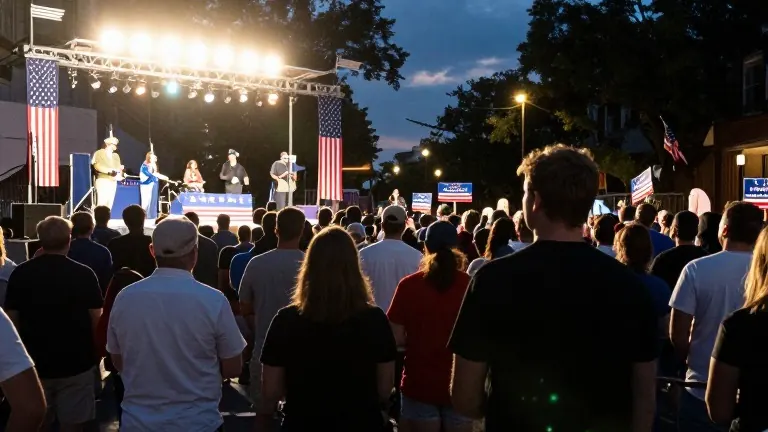
The correspondents also discussed the distinct character of midterm elections. Congressional reporter Sam Gringlas described the experience as more intimate than covering presidential races. He cited recent reporting trips to an antique shop, a farmer's market, a union picnic, a family farm, and a brewery. These settings allowed for direct observation of candidates interacting with voters, a level of access he contrasted with the large, secure venues typical of presidential rallies.
Senior political correspondent Tamara Keith highlighted the narrative potential of down-ballot races. She pointed to Nevada's 2nd Congressional District as a case study of political chaos. The district, which President Donald Trump won by 14 points and which has not elected a Democrat in over 40 years, features a Republican nominee with a controversial background and a Democratic challenger who is a former Miss Nevada and state legislator. The retiring Republican congressman has openly criticized his own party's nominee.
Correspondents identified several ballot measures that could shift the political map. In Maryland, voters will consider an amendment that could add a Democratic seat, a measure that appears unlikely to pass despite the state's partisan lean. Colorado voters are weighing a proposal to make mid-decade redistricting more difficult, while Missouri considers a similar measure that could help Republicans flip a seat. Alaska will again vote on its nonpartisan primary system and ranked-choice voting, a contest that has historically been close.
Domenico Montanaro also flagged the Nevada governor's race between incumbent Joe Lombardo and state attorney general Aaron Ford. The campaign has focused on crime and unemployment, but also on Ford's legal history as a college student. In California, a wealth tax initiative has drawn tens of millions of dollars in spending, testing the state's willingness to adopt new fiscal experiments.
Regarding the executive branch, Montanaro stated that the president's party has gained seats in only two midterms since World War II: 1998 and 2002. If Democrats gain control of one or both chambers of Congress, legislation may stall unless there is compromise. He predicted that the primary focus would be on oversight and investigations of the current administration, with the potential for political risk if Democrats pursue impeachments. The correspondents concluded by noting that debates are less common in midterms as incumbents avoid giving challengers a platform, but they remain a tool for journalists to press candidates on vulnerabilities.
Source: WYPR