Trump's $5,000 Dividend: A Vote-Buying Gambit Facing Bipartisan Skepticism
The president's promise to pay every adult if Republicans hold Congress is facing legal hurdles, budget concerns, and doubts from his own party leadership on Election Day.
By Pavel Bell ·
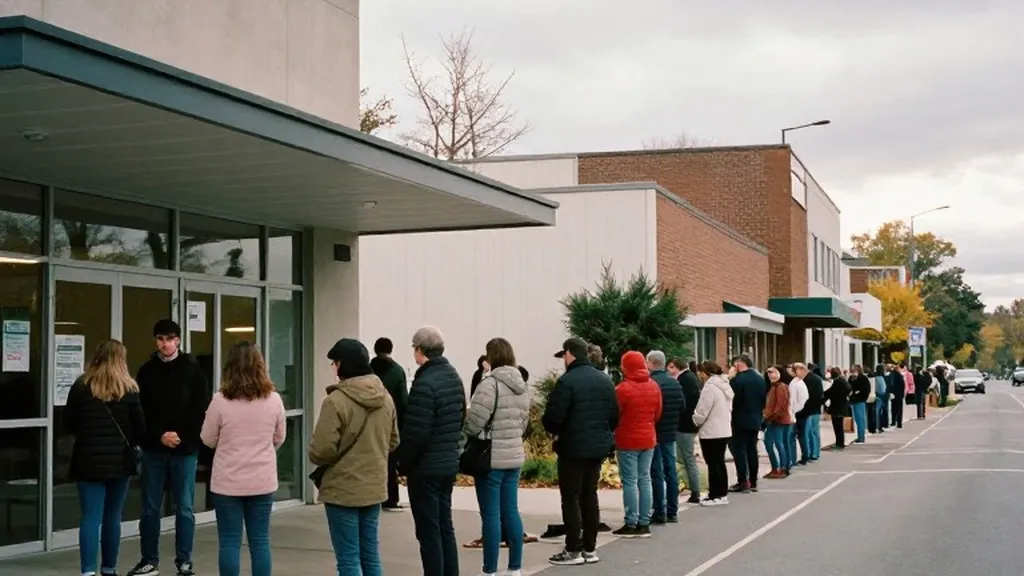
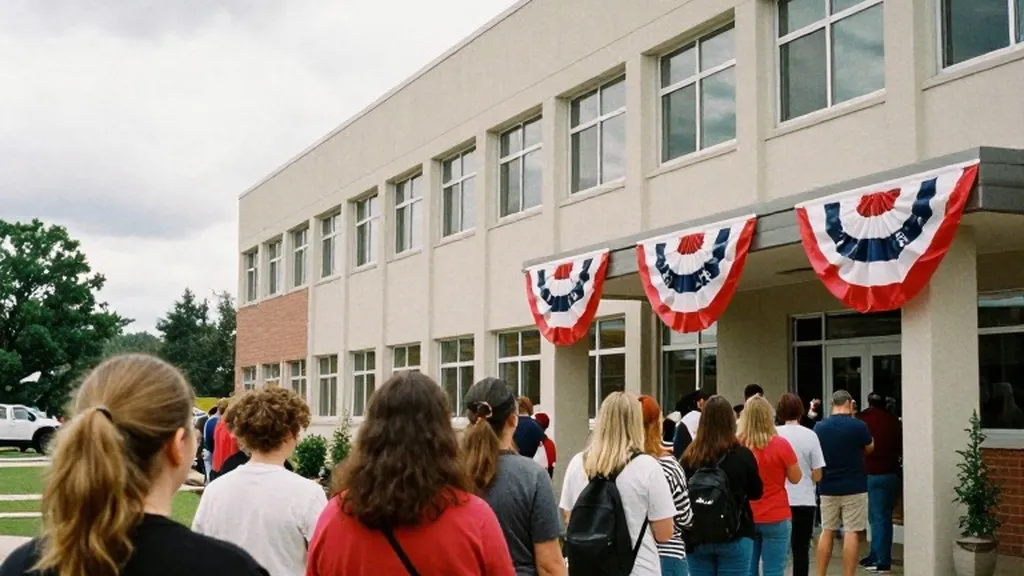
President Donald Trump has staked his midterm election strategy on a bold financial promise: a $5,000 dividend check for every adult American citizen, contingent on the Republican Party maintaining control of both the House of Representatives and the Senate. Announced during the Republican Midterm Convention in Dallas, the proposal is being scrutinized by voters and political analysts alike as polls open across the country. The president framed the payment as a reward for economic success, telling the crowd, "If the Republicans win, you win with us and you get $5,000." He named the initiative the "Trump Dividend," drawing comparisons to corporate shareholder payouts and his administration's recent $1,776 checks for military service members.
The promise has immediate implications for the national budget, with estimates suggesting the cost could reach $1.2 trillion. This figure is derived from the Census Bureau estimate of approximately 245 million adult U.S. citizens. Critics argue that such a massive expenditure would strain the federal budget, which is already operating with a deficit of nearly $1.8 trillion. The Associated Press reports that consumer sentiment remains weak, with gasoline prices rising due to the war with Iran and wages struggling to keep pace with inflation. Trump has attributed the ability to pay to tariff revenues, claiming the United States is "taking in so much money" that the payment is "easy enough."
However, the mechanics of the payment remain unclear, leading to bipartisan criticism. House Speaker Mike Johnson, a key figure in the Republican leadership, stated on Sunday that the proposal requires congressional approval. "I would assume, yes, he'd need Congress to act, and that's a creative idea," Johnson said. He pledged to work with the president to implement the plan, acknowledging the challenge of passing such legislation with a slim Republican majority. Johnson’s comments contrast with Trump’s earlier remarks to CBS News Texas, where the president suggested Congress might not need to authorize the payments, though he did not specify how he would spend over a trillion dollars without legislative action.
The legal and fiscal obstacles have drawn attention from experts and politicians across the aisle. Rick Hasen, an election law professor at UCLA, noted that while the promise is likely constitutionally protected as campaign rhetoric, the president does not have the unilateral power to execute it. He compared the pledge to other common campaign promises, such as tax cuts or new health care initiatives. Kenneth Rogoff, a former chief economist at the International Monetary Fund, warned that the payment would "blow up" the already unsustainable deficit, increasing the odds of a debt crisis over the next five years. These concerns are particularly relevant as voters head to the polls, with many citing the cost of living as their primary issue.
PolitiFact has analyzed the proposal, noting that the biggest payment is far from certain. The fact-checkers pointed out that the administration has announced no formal plan for distributing the checks and that fiscal experts cast doubt on the feasibility of the project. While Trump cited tariff revenues as a funding source, the Tax Foundation estimated that the new tariffs would generate about $208 billion in revenue in 2026, a fraction of the cost of the dividend. Erica York, a senior economist at the Tax Foundation, stated that the cost of the checks would spend almost all the revenue that the new tariffs are projected to bring in over a decade.
The promise also follows a history of similar pledges that did not materialize. In November 2025, Trump promised $2,000 tariff dividend checks, which were never distributed. Earlier in 2025, he and Elon Musk endorsed a "DOGE dividend" based on government savings, which also failed to reach voters. This pattern has led some analysts to question the likelihood of the $5,000 check becoming reality, even if Republicans retain control of Congress. Sen. Bernie Moreno, R-Ohio, said he would introduce legislation to fund the proposal, but political analysts suggest that securing the required 60-vote supermajority in the Senate will be difficult.
Democratic leaders have seized on the uncertainty surrounding the dividend to frame the election as a choice about fiscal responsibility and oversight. House Democratic Leader Hakeem Jeffries, who would become the first Black speaker if Democrats win the House, has outlined a 100-day agenda focused on the cost of living and administrative oversight. The Democratic Party is emphasizing the anger of voters who feel the burden of high prices and an unpopular war with Iran. Voter James Moore, a librarian in Raleigh, North Carolina, told reporters that he is paying more for taxes, health care, and everything else, reflecting the broader mood among Democratic-leaning voters.
Republicans are bracing for a tough fight, with internal polling suggesting that the economy and affordability are top of mind for voters. The Associated Press reported that only 35% of U.S. adults approve of Trump’s job performance, a figure that has declined since he took office. Despite these challenges, the Republican Party is leveraging its record of tax cuts and border security to attract voters. RNC Chairman Joe Gruters emphasized the importance of turnout, stating, "Everything depends on turnout. If we turn out our voters, we win, and that's what we've been planning for." The party is also relying on new congressional maps in six states, including Texas and Florida, to maintain a competitive edge.
The election is being watched closely by Wall Street, where investors are assessing the potential impact of a divided or unified Congress on debt ceiling negotiations and AI spending. Reuters reported that results could add to investor concerns about the national debt and the administration's fiscal policies. The $5,000 dividend, if enacted, would be a significant test of the Republican Party’s ability to balance its economic promises with the realities of federal budgeting. As polls open, voters are weighing the allure of a direct payment against the broader economic challenges facing the country.