Courts and USPS Step In as Election Day Rules Take Shape
Federal judges blocked administration moves in Alaska and California, while postal officials added resources to ensure mail ballots are counted on time.
By Hugo Khalil ·
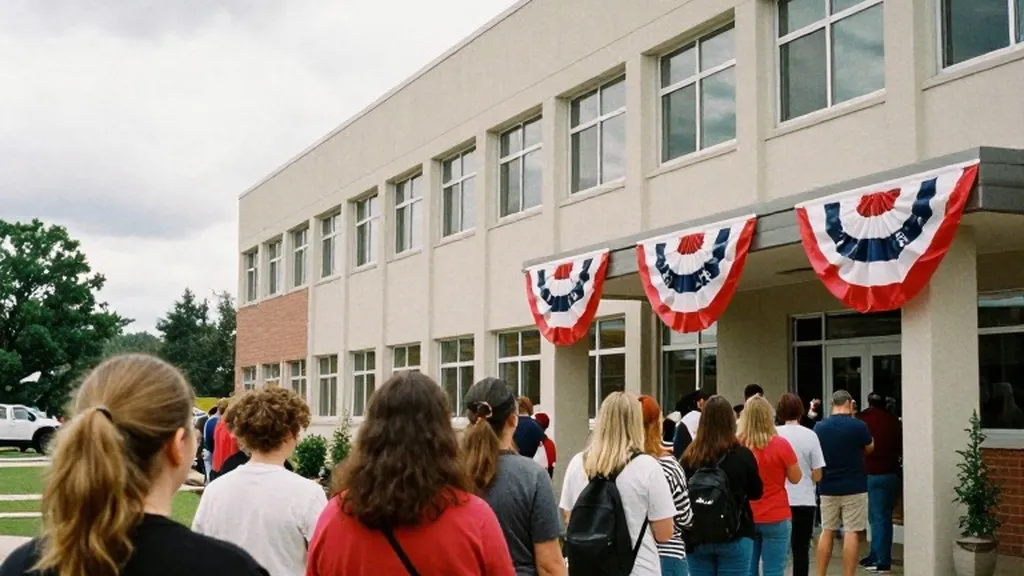
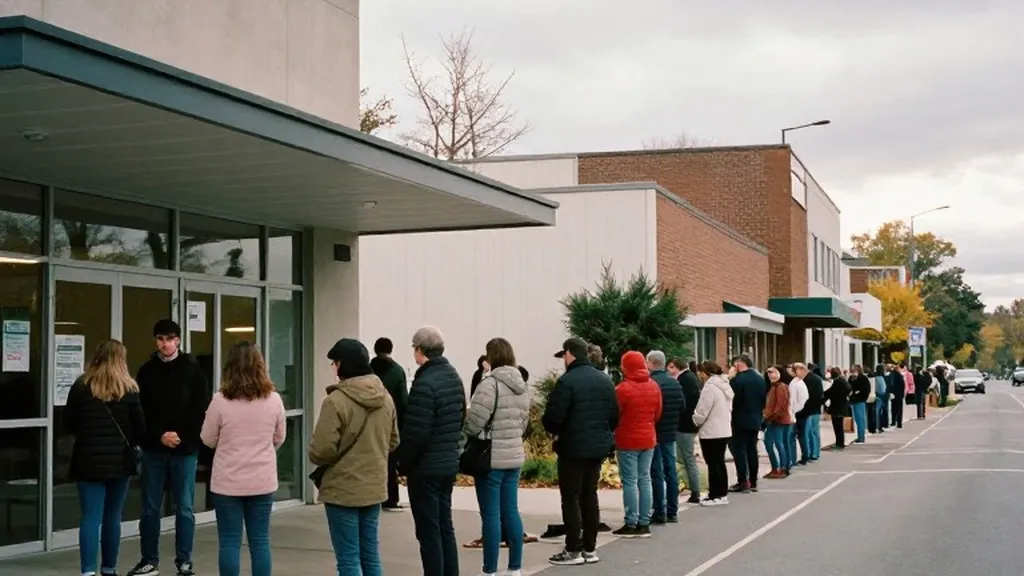
Election Day arrives with a focus on the legal and logistical hurdles that could shape the count. The Associated Press reports that a federal judge temporarily barred the Trump administration from executing a plan designed to prevent noncitizen voting. Critics of the plan argue it risks disenfranchising eligible voters and infringes upon the authority states hold over their own elections. This ruling comes at a critical moment when millions of Americans are heading to the polls or have already cast their ballots.
In a related development, a judge ordered the administration to stop demanding that California election officials segregate ballots cast by individuals on lists of suspected noncitizens. The Associated Press notes that this move was part of a broader legal strategy by the administration. Democrats have expressed concern that such measures could serve to interfere with the process or intimidate local election officials. The Justice Department has threatened to prosecute local officials, adding a layer of tension to the administration of the vote.
The U.S. Postal Service has taken specific steps to support the election, according to Reuters. Officials added hours, staff, and special lines to ensure that mail-in ballots are counted on time. These measures are particularly important in states where a large portion of the electorate votes by mail. The agency’s actions aim to mitigate delays that could complicate the final tally. This logistical effort runs parallel to the legal battles unfolding in federal courts.
The Trump administration has continued to assert claims about voting fraud, including the assertion that noncitizens vote in large numbers. The Associated Press highlights that these claims have fueled the lawsuits in Alaska and California. The administration filed a lawsuit related to the certification of the Senate result in Alaska, a state where the race is considered competitive. In California, the focus was on the handling of ballots from those on noncitizen lists. These legal actions are part of a wider effort to scrutinize the voting process nationwide.
Voters are weighing these administrative factors alongside the major political issues. The Associated Press describes the election as a referendum on President Trump’s second term, with many voters struggling with high prices and angry over an unpopular war with Iran. Polling data from AP-NORC indicates that 35 percent of U.S. adults approve of Trump’s job performance, while 25 percent approve of his handling of the economy. About seven in ten Americans say the country is heading in the wrong direction, with most blaming the president for rising costs.
The stakes for the U.S. House are high, with all 435 seats up for grabs. Democrats need a net gain of three districts to secure a majority, while Republicans can lose no more than two. Ballotpedia identifies 46 battleground districts, with 25 held by Democrats and 21 by Republicans. The control of the House will determine the level of oversight and potential investigations into the administration. House Democratic Leader Hakeem Jeffries has outlined a 100-day agenda focused on the cost of living and oversight if his party gains control.
In the Senate, 35 seats are at play, including two special elections. Democrats need a net gain of four seats to take the majority, a hurdle that is difficult given the current balance of power. Republicans hold 53 seats, while Democrats hold 45, plus two independents who caucus with them. Key races in states like Alaska, Georgia, and Michigan will be decisive. The Associated Press notes that economic strain and tariffs have made states like Maine competitive, where Senator Susan Collins faces a challenge from Democratic former state Senate President Troy Jackson.
Redistricting has played a role in shaping the landscape, with six states using new congressional maps. California, Florida, Missouri, North Carolina, Tennessee, and Texas are using new maps, while Ohio also has a new map. Republicans have tried to use redistricting to beat the typical midterm pattern where a president’s party loses seats. However, the Associated Press notes that new districts in Florida and elsewhere may not vote as drawn. This uncertainty adds another variable to the equation for both parties as they fight for control of Congress.
The financial aspect of the election is also a story in itself. The Associated Press reports that the 2026 elections are likely to be the most expensive in history. Republican committees outraised and outspent Democratic committees, aided by Trump-affiliated groups and Elon Musk. However, at the candidate level, Democrats outraised their opponents. Analysis of AdImpact data by the AP shows that 88.1 percent of Republican general election TV ad spending went to states and districts Trump won in 2024. This concentration of spending reflects the strategy to consolidate support in areas where the president has a strong base.
As polls open across the country, the focus remains on turnout and the final count. The U.S. Postal Service’s additional resources and the federal court rulings in Alaska and California will be closely watched as results begin to come in. Voters in states with new maps and those facing legal challenges over noncitizen voting will see how these factors play out in practice. The election will decide who controls Congress for the final two years of President Trump’s second term, with significant implications for the balance of power in Washington.
The Associated Press notes that more than 57 million people had already voted as of Monday, surpassing the early vote from four years ago in many closely watched states. This early surge suggests a high level of engagement, which both parties are counting on to secure their goals. The combination of legal rulings, postal logistics, and voter turnout will determine the final outcome. As the day progresses, the courts and postal service will remain key players in the administration of this pivotal midterm election.